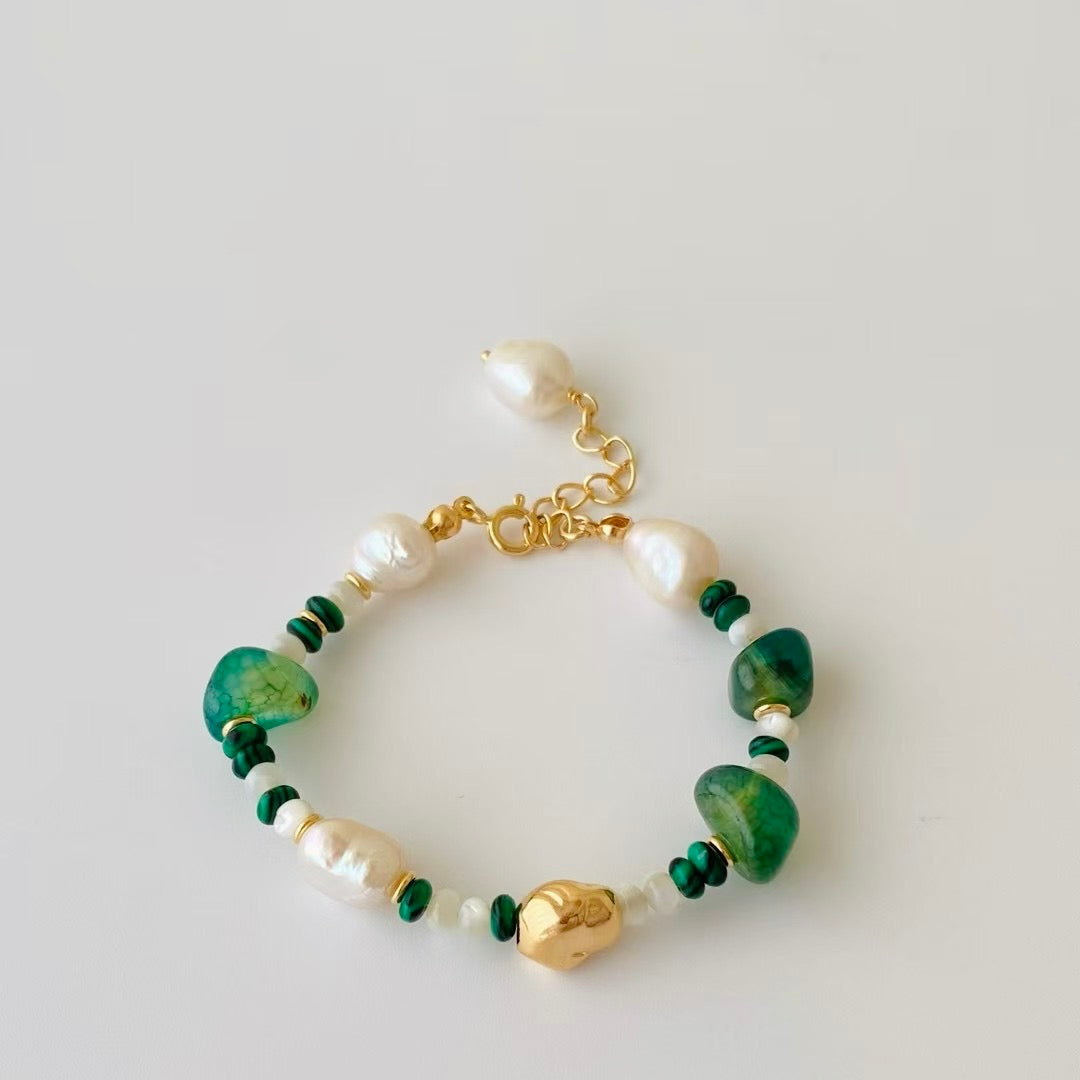
The harm caused by keeping pearl bracelets in an airtight container for a long time
Storing pearl bracelets in fully sealed, air-tight spaces for extended periods is one of the most common, easily overlooked mistakes that causes irreversible damage to these organic gemstone pieces. Many users assume a sealed environment will protect pearls from dust, oxidation, and outside contaminants, but the unique physical structure of pearls makes this practice far more harmful than most people realize. Pearls are not inert, fully solid mineral stones; they are made of layered organic materials that rely on gentle, regulated exchange with small amounts of surrounding air to maintain their natural moisture balance, surface luster, and original bright color. When locked away in a completely unventilated space for months or years, a cascade of slow, hidden damage begins that permanently ruins the appearance and structural integrity of the piece, often before the user even notices any visible warning signs.
Unbalanced Moisture Loss and Internal Cracking
Pearls naturally hold a small, stable percentage of internal moisture that keeps their layered nacre structure flexible, smooth, and resistant to chipping. When sealed inside an air-tight container with no access to even tiny amounts of circulating ambient humidity, the slow natural evaporation of that internal moisture has nowhere to go, and the small enclosed space quickly reaches a state that pulls more and more water out of the pearl over time. As the moisture content drops below its safe natural level, the thin layered nacre on the surface becomes brittle, developing tiny, almost invisible micro-cracks that spread across the pearl face. These cracks catch light in uneven ways, making the pearl look dull, foggy, and less iridescent than it did originally. In more advanced stages, the internal stress from uneven moisture loss can even cause larger visible fissures that break through the full surface of the pearl, creating permanent damage that no cleaning or polishing process can ever repair.
Trapped Residual Moisture and Surface Discoloration
Even if you wipe the pearl bracelet very carefully before sealing it away, tiny traces of residual skin oil, sweat, or environmental moisture will always remain trapped inside the closed container with no way to escape. Over weeks and months, this stagnant, trapped dampness creates a small, high-humidity micro-environment that never gets a chance to air out, allowing faint chemical reactions and slow microbial growth to develop directly on the pearl’s porous surface. This process leaves faint, uneven yellow or brown spots that sink deep into the nacre layers, creating permanent discoloration that cannot be wiped or polished away. The sealed space also traps any faint chemical fumes released from the plastic or synthetic lining of the storage container itself, and these concentrated fumes will slowly etch the delicate organic surface of the pearls, creating a rough, matte texture that completely erases their original soft, glowing luster. This type of discoloration and surface damage is almost impossible to reverse, even with professional restoration work.
Stagnant Air and Accelerated Organic Degradation
The thin layer of static, uncirculated air inside a fully sealed long-term storage container has no fresh oxygen exchange, but it still holds small amounts of volatile compounds that build up to unnatural concentrations over time. These accumulated compounds interact with the organic protein content in the pearl’s nacre layers, triggering a slow, unnatural degradation process that breaks down the tight, orderly layered structure that gives pearls their unique iridescent shine. Over years of storage, the once smooth, tightly packed nacre layers begin to separate slightly, making the pearl surface feel subtly rough to the touch and causing its characteristic play of color to fade into a flat, lifeless sheen. Even pearls that looked perfectly fine when first placed into storage can come out with a noticeably aged, worn appearance that makes them look decades older than their actual age. This slow degradation is entirely avoidable with basic, regular ventilation, but it becomes permanent once the layered nacre structure has broken down far enough.
Hidden Contaminant Cross-Transfer in Sealed Spaces
If you store the pearl bracelet alongside other jewelry pieces inside the same fully sealed container, trapped trace residues from other items will never get a chance to dissipate, and they will slowly transfer onto the pearl’s porous surface over time. Tiny amounts of tarnish dust from other metal components, residual cleaning solution traces, or even fine abrasive particles from harder gemstones will sit against the pearl surface for months, creating faint scratches, chemical stains, and uneven wear that would never happen in a ventilated space. Since the container is completely sealed, you cannot see this slow cross-contamination happening, and you will not notice the faint damage until you open the container again after a long period, by which point the harm is already done. This hidden cross-transfer is one of the most common reasons pearls that were stored “safely” for long periods come out looking scuffed, discolored, and far less vibrant than they did when they were put away.