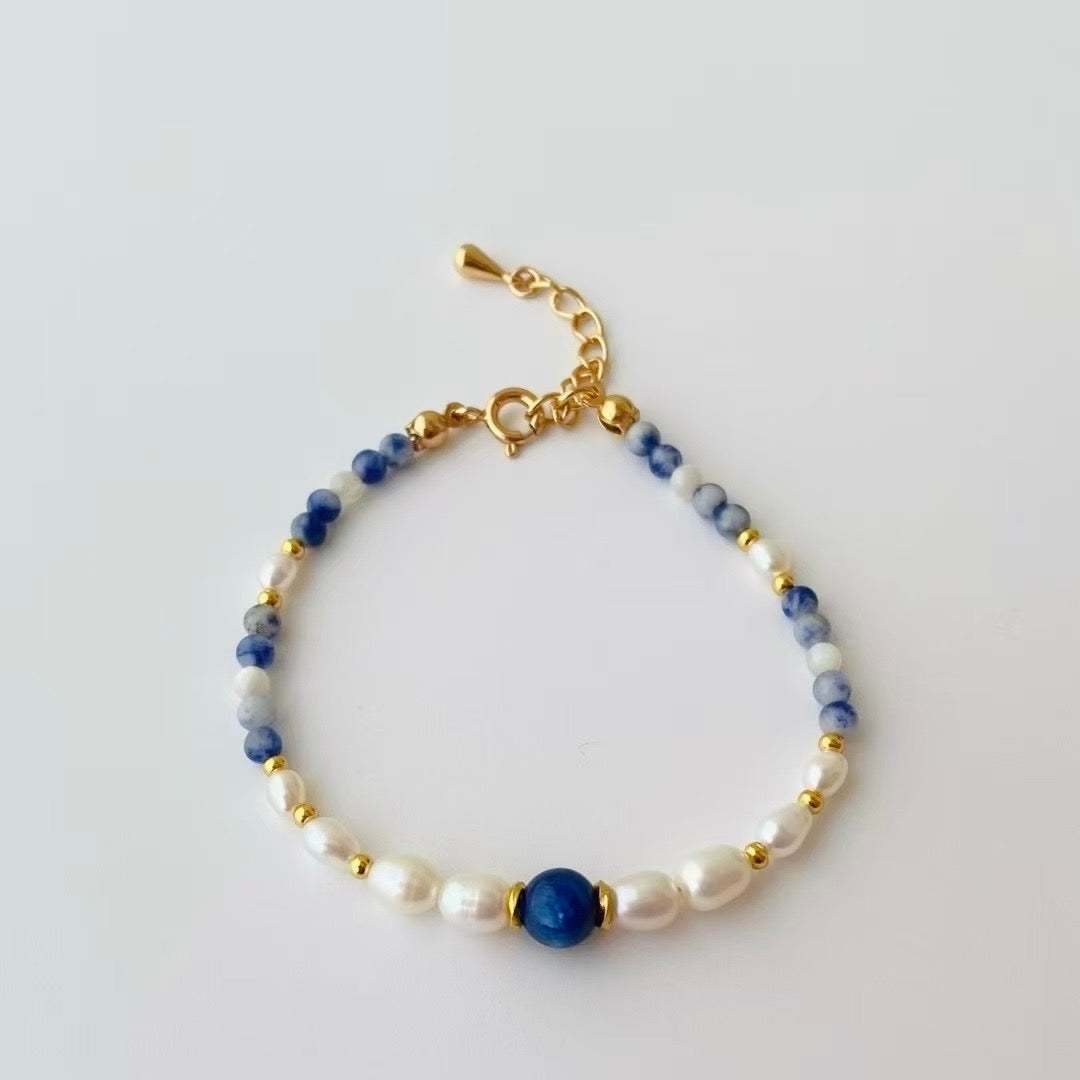
Maintenance Tips for Pearl Bracelet Assembly Materials
Pearl bracelets that combine pearl elements with secondary supporting materials require far more targeted care than single-material pearl pieces, because different components react very differently to the same cleaning agents, environmental conditions, and daily wear stress. A cleaning method that is gentle and safe for one material can easily cause permanent discoloration, surface damage, or structural failure in the other, even when you follow standard basic pearl care rules. Many common damage cases happen when users apply a one-size-fits-all maintenance routine that ignores the unique conflicting vulnerabilities of each material in the construction. Understanding these distinct risk points and following material-specific, balanced precautions keeps every part of the bracelet in perfect condition, preserving the full original look and structural integrity of the piece over long-term use.
Segregated Surface Wiping After Each Wear
Every time you take off the bracelet, use two separate soft, lint-free cloths to wipe different material sections independently, rather than using the same cloth across the entire piece. First, use one dedicated cloth to gently wipe the pearl surfaces, removing thin layers of skin oil, residual perfume, and light sweat that can etch the porous pearl surface over time. Then use a second separate cloth to wipe the non-pearl supporting components, clearing away the same contaminants that could cause tarnishing, oxidation, or surface corrosion on those parts if left in place. Never apply the same mild cleaning solution you use on the pearl section to the other materials, as even a very weak acidic or alkaline solution that is safe for pearls can cause unexpected discoloration or etching on the secondary material. This separated wiping routine prevents cross-contamination, and ensures no cleaning residue from one section is accidentally transferred to a more sensitive part of the bracelet.
Targeted Environmental Exposure Avoidance
Different materials in the bracelet have conflicting tolerance levels for common environmental factors that most users never notice during daily wear. Exposing the full piece to prolonged high humidity, for example, can keep pearls hydrated and preserve their natural luster, but that same damp environment will speed up oxidation and tarnish formation on many non-pearl supporting components. On the other hand, placing the piece in extremely dry conditions to prevent secondary material corrosion can cause the pearl surface to crack, dehydrate, and lose its natural soft iridescence over time. The ideal storage environment balances these needs: a stable, moderate humidity space away from direct sunlight, strong chemical fumes, and sudden extreme temperature shifts that would stress any of the materials. Never wear the full bracelet while doing household cleaning, swimming, or working out, as these high-exposure situations will subject every different component to harsh stressors they are not all engineered to resist. This balanced environmental protection eliminates the most common hidden conflicts that cause uneven, premature aging in mixed-material pearl bracelets.
Separate Storage and Regular Structural Inspection
When you are not wearing the bracelet, store it inside a soft, lined individual pouch that keeps the entire piece cushioned, but make sure different material sections are not pressed hard against each other for long periods. Add a tiny, non-abrasive soft fabric divider between the pearl surfaces and the harder secondary material sections, so sharp edges or rough textures on the supporting components cannot scratch, chip, or abrade the soft pearl surface while the piece is in storage. Every few weeks, do a quick gentle structural check: confirm that no connecting points are coming loose, no small gaps have opened between different materials, and no unexpected discoloration or residue buildup is forming in the tiny seams where different components meet. If you spot any minor dirt trapped in these hard-to-reach seams, use a very soft, dry microfiber tip to gently brush it away, rather than dipping the whole piece in liquid that could seep into the joint and cause hidden long-term damage. This careful storage and regular inspection routine prevents hidden friction, trapped contaminants, and structural wear that would go unnoticed until permanent damage has already occurred.