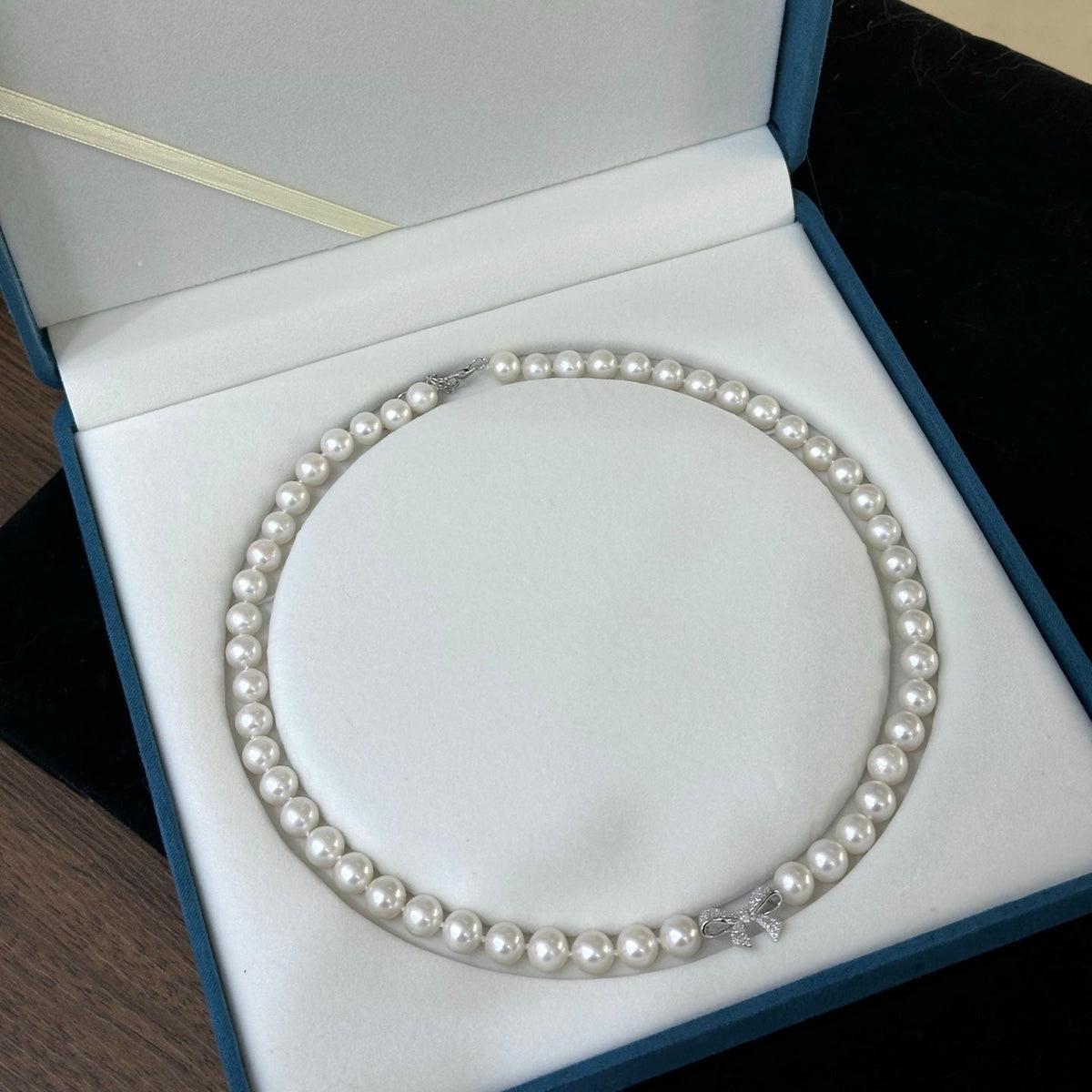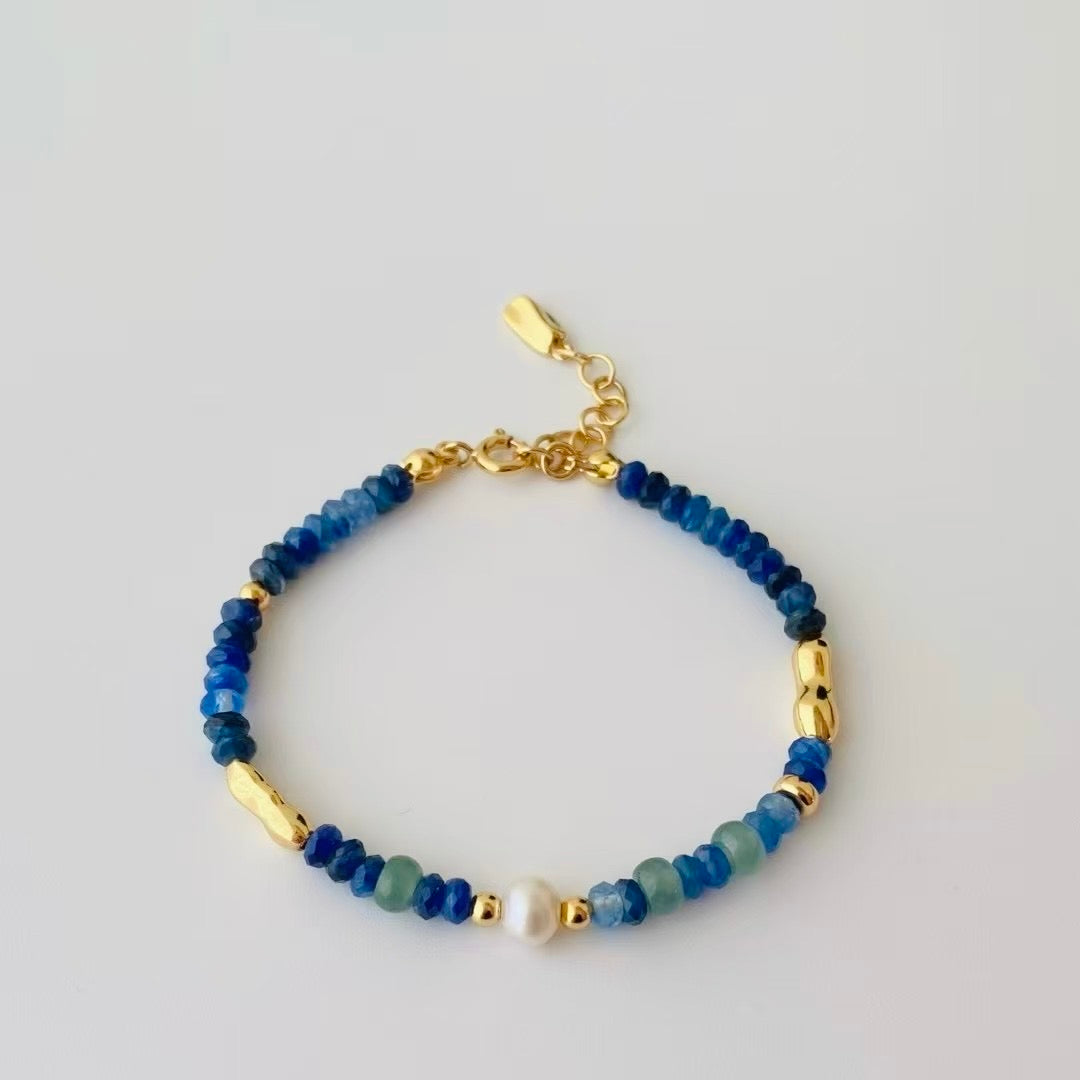
Pearl bracelet - Skin-sensitive users should be cautious when wearing.
Many people with sensitive skin worry that wearing a pearl bracelet might cause irritation, but pearls themselves are one of the most skin-friendly natural materials. The real concern often comes from the metal parts, residual cleaning chemicals, or daily buildup on the bracelet that touches your skin. With a few simple habits, you can enjoy wearing pearls comfortably without any reaction.
Choosing the Right Metals and Materials
The clasp and any small metal parts on the bracelet are the most common source of skin irritation for sensitive wearers. Look for clasps made from hypoallergenic metals like surgical-grade stainless steel, titanium, or 14k gold or higher. These metals have very low nickel content, which is the element that most often causes allergic contact dermatitis. Be cautious with "silver" or "gold" clasps that are not clearly marked with their purity, as they may be alloys containing nickel or other irritants. If your bracelet has metal beads or spacers between the pearls, check that these are also made from a hypoallergenic material. The cord or thread material matters too. Silk or nylon threading is generally safe, but if the cord has been treated with a stiffening chemical or dye that you react to, it can cause a rash where it rests against your wrist. When you get a new bracelet, take a moment to gently clean the entire piece, including the clasp and cord, with a soft cloth dampened with a little distilled water, then dry it thoroughly before the first wear. This removes any manufacturing residues or polishing compounds that might be on the surface.
Managing Daily Buildup and Moisture
For sensitive skin, the thin layer of daily buildup on the bracelet—a mix of skin oils, sweat, lotion, and environmental dust—can act as an irritant if it is left in constant contact with your skin. This is especially true in warm weather or during activities that make you sweat. Make it a non-negotiable habit to gently wipe your pearl bracelet with a clean, soft, dry cloth every single time you take it off. This simple step removes the day's accumulation before it can bother your skin or seep into the pearls. If you have just applied lotion, sunscreen, or insect repellent to your wrists and hands, wait until it is fully absorbed and dry before putting your bracelet on. These products can transfer to the bracelet and then sit against your skin, potentially causing a reaction over time. On days when your skin feels particularly sensitive or you have a minor rash, give your wrist a break. Store the bracelet in its soft pouch and let your skin breathe fully for a day or two.
Fit, Feel, and Listening to Your Skin
A bracelet that is too tight will trap sweat and rub against your skin, which can lead to chafing and irritation even if the materials are safe. Make sure you can easily slide one finger between the bracelet and your wrist when it is fastened. It should feel secure but not constricting. Pay attention to how your skin feels during the first few hours of wearing a new or freshly cleaned bracelet. A little warmth or a slight feeling of the bracelet "being there" is normal as you get used to it. However, if you notice any persistent itching, redness, a rash, or a burning sensation, take the bracelet off immediately. Gently wash the area with mild soap and water, and let your skin calm down fully before trying the bracelet again. If the reaction happens again, it is likely linked to a specific metal in the clasp or a treatment on the cord. You can often have a jeweler replace the clasp with a hypoallergenic one, which solves the problem without needing to stop wearing the pearls you love. Starting with short wearing periods—just a few hours at home—can also help your skin adjust gradually without stress.