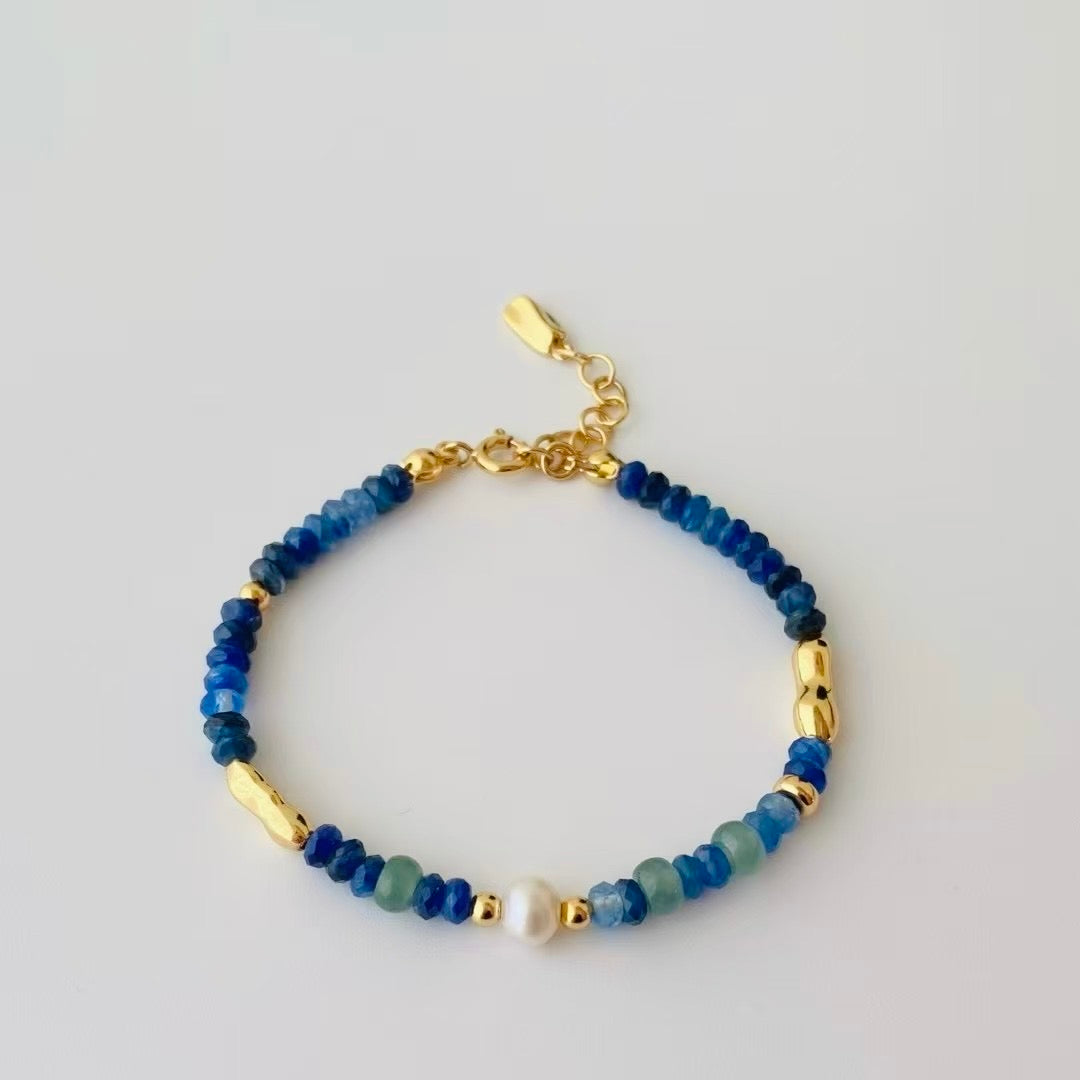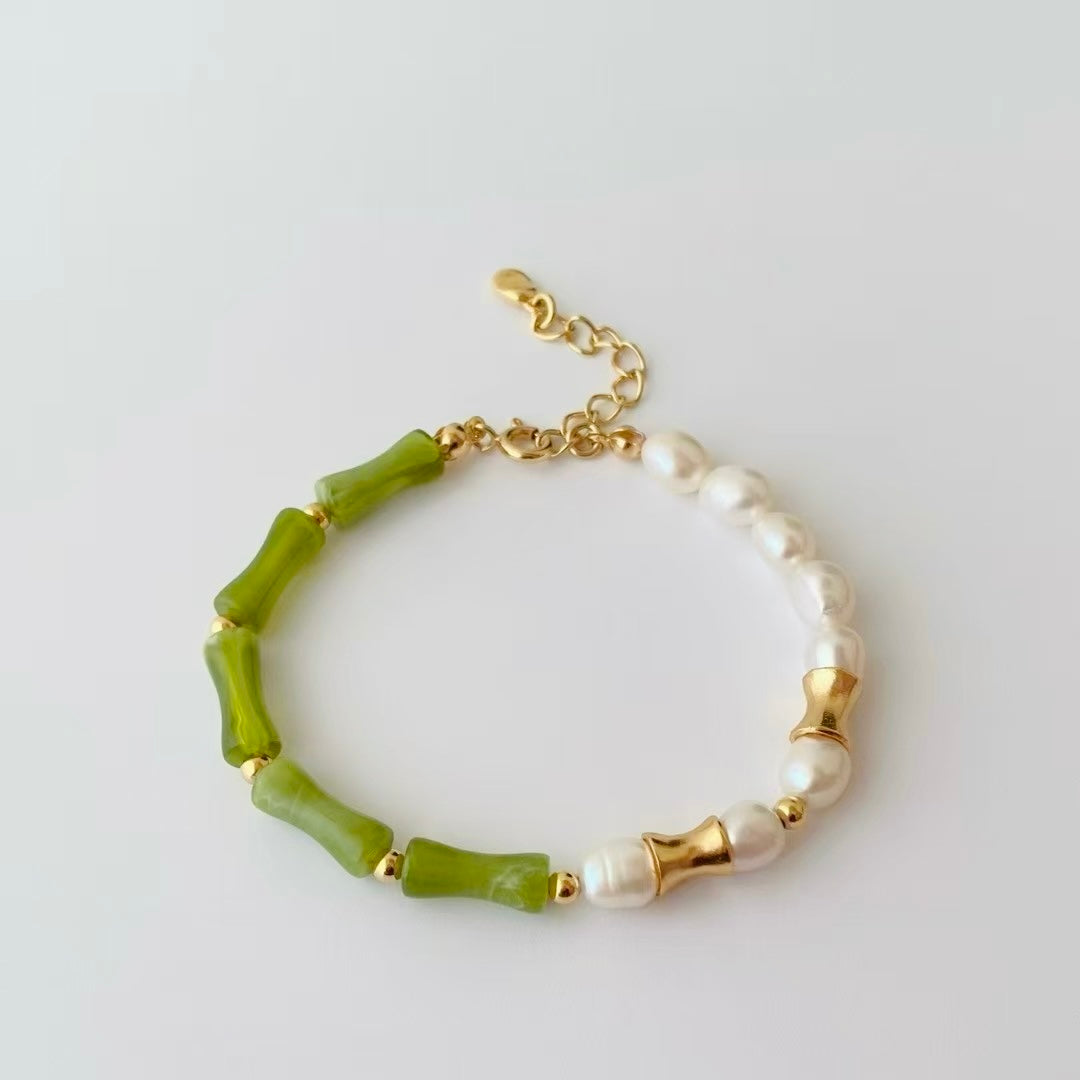

Can the pearl bracelet be worn after it gets damaged?
Discovering a scratch, chip, or loose pearl on your bracelet can be disappointing, but it does not always mean you have to stop wearing it completely. Whether a damaged pearl bracelet is still safe to wear depends heavily on the type of damage, its location, and how you plan to use the piece moving forward.
Assessing Common Types of Pearl Damage
A shallow surface scratch that only affects the outer nacre layer might not be immediately noticeable from a distance and often does not impact the overall structure of the pearl. You can usually continue wearing the bracelet for casual, low-risk occasions if the scratch is minor and the pearl remains securely attached. A deep chip or crack, however, is a more serious issue. A chipped edge or a visible crack compromises the pearl's integrity, making it more vulnerable to further breaking. Dirt, moisture, and oils can seep into the crack, leading to worsening discoloration or even causing the pearl to split apart with normal wear. If the damage is a single loose pearl that spins freely or slides along the cord, the risk shifts to the bracelet's structure. A loose pearl indicates that the knot beside it has weakened or the cord has stretched. Continuing to wear it increases the chance that the pearl could fall off completely or that the adjacent knots could fail, potentially leading to a complete break.
Safety and Further Damage Risks
The primary concern with wearing a damaged bracelet is causing further harm. A pearl with a crack or deep chip is structurally weaker. Wearing it during daily activities—where it might be lightly bumped against a table, caught on a sleeve, or pressed against your wrist—can cause the existing damage to spread. What was once a small chip can turn into a large fracture, or a loose pearl can detach and be lost. There is also a practical safety aspect. If the cord is frayed or a clasp is damaged from an earlier impact, the bracelet could break unexpectedly while you are out, scattering pearls. Furthermore, damaged areas with rough edges can occasionally catch on fine fabrics like silk or wool, pulling threads.
Practical Steps Before Wearing Again
Before deciding to wear a damaged bracelet again, perform a simple inspection. Examine the cord or thread between each pearl under good light. Look for signs of fraying, stretching, or discoloration. Gently test each knot by applying very slight pressure beside it with a fingernail; it should not move. If the damage is limited to a minor surface scratch and the structure is sound, you may choose to wear it cautiously for special, low-activity occasions. However, the most reliable course of action is to take it to a professional jeweler or pearl specialist. They can assess whether a damaged pearl can be polished (for minor scratches), stabilized, or needs to be replaced. They can also restring the entire bracelet, securing all knots and potentially rotating a chipped pearl to a less visible position against the clasp. This service restores the bracelet's safety and longevity, allowing you to wear it with confidence again. For sentimental pieces, even if a pearl is chipped, a jeweler can often set it in a protective bezel or convert the bracelet into another keepsake item.