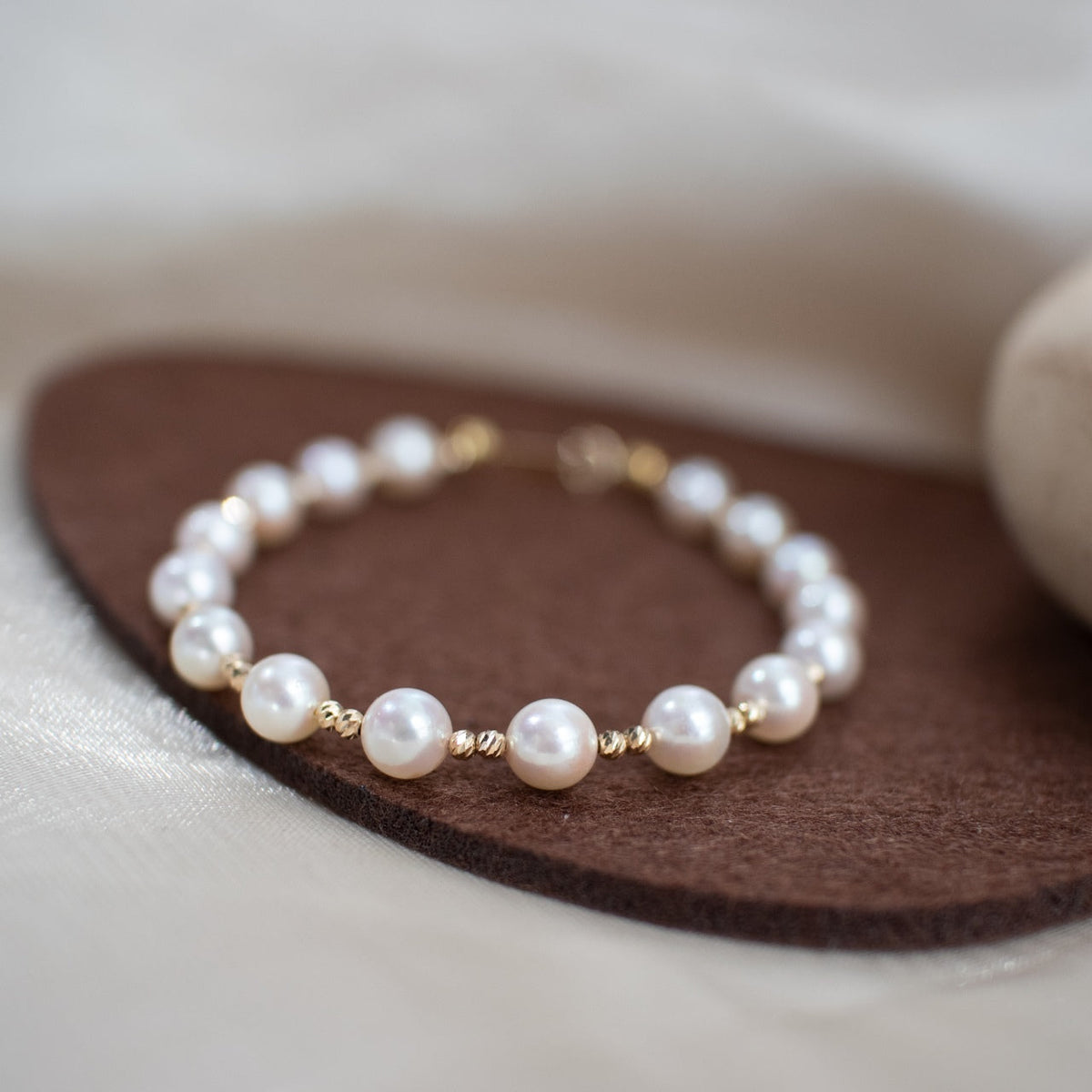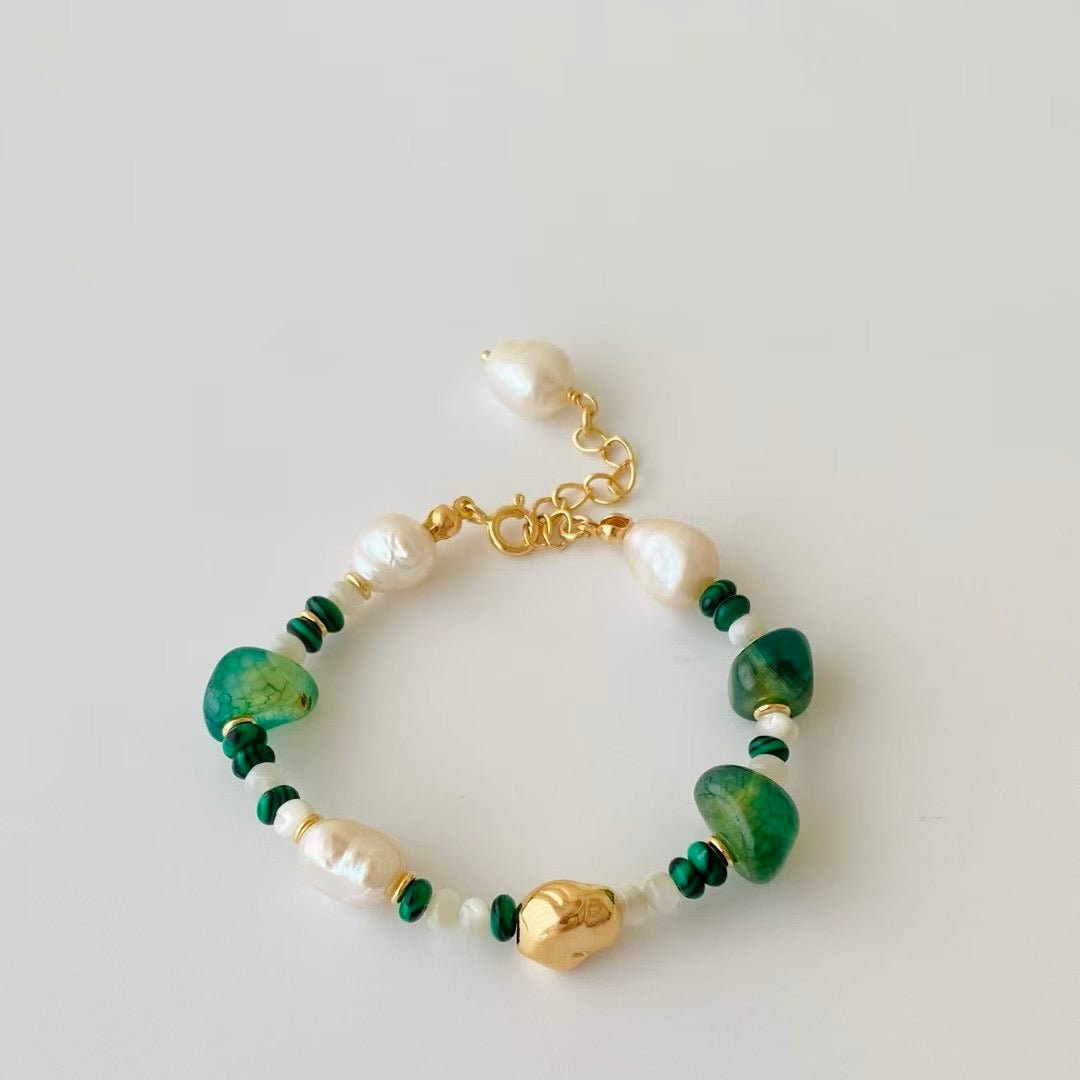
Maintenance Tips for Pearl Bracelets Worn by the Sea
Wearing a pearl bracelet to the beach can create beautiful, soft, memorable moments, but the unique coastal environment holds hidden risks that can quickly erode the pearl’s signature luster if you do not take proper precautions. Saltwater, harsh sunlight, fine beach sand, and sea breeze all interact with the delicate organic structure of pearls in ways most people do not expect, turning a fun day by the ocean into the source of permanent, irreversible damage to your jewelry. A clear set of targeted care habits lets you enjoy your pearl bracelet at the seaside while keeping it safe from these common environmental hazards.
These practical, easy-to-follow tips are built around real-world seaside experience, helping you avoid the small, unplanned mistakes that lead to dull, discolored pearls after a single trip to the coast.
Saltwater and sea spray exposure prevention
The biggest threat to pearls at the beach is saltwater, which carries high concentrations of dissolved salt and other mineral compounds. Even a single splash of ocean water that lands on your pearl bracelet will leave behind tiny salt crystals as it evaporates. These crystals can slowly seep into the microscopic pores in the pearl’s outer nacre layer, scratching the smooth inner surface from the inside out and creating a dull, hazy appearance that cannot be wiped away with normal cleaning.
You should always take your pearl bracelet off completely before stepping into the ocean, wading through shallow shoreline water, or even sitting in a spot where strong sea wind is blowing fine ocean spray directly toward you. If you do get saltwater on the pearls by accident, do not let the residue dry on the surface. Gently rinse the bracelet immediately with a small amount of clean, room-temperature fresh water, then pat every pearl dry thoroughly with a soft, lint-free cloth before putting it back on.
Sand, high UV exposure and physical impact risks
Fine beach sand is far more abrasive than most people realize, and it poses a serious scratch risk to pearls, which have a relatively low hardness level compared to most other jewelry materials. If you lay your pearl bracelet down on a beach towel that has fine sand grains trapped in the fabric, even slight movement can cause those hard sand particles to rub against the pearl surface, leaving tiny, permanent micro-scratches that break up the smooth light-reflecting nacre layer. These tiny scratches will accumulate over the course of a single beach trip, slowly turning the once glossy pearl surface matte and worn-looking.
Prolonged exposure to strong, direct coastal sunlight also creates hidden damage over time. The high intensity UV rays in open seaside sunlight can speed up the slow aging process of the pearl’s organic nacre layers, leading to premature yellowing and uneven discoloration that cannot be reversed. When you are not actively wearing the bracelet, store it inside a closed, shaded bag or pouch, instead of leaving it sitting out on a beach table in direct full sun for hours at a time.
Post-beach full cleaning and proper recovery routine
As soon as you get back indoors after your day at the beach, do not just toss your pearl bracelet into a jewelry box without checking it first. Lay it out on a clean, soft cloth, and inspect every individual pearl closely under bright light to look for any trapped sand grains, dried salt residue, or traces of sunscreen and skin care products that may have been left on the surface. Wipe every pearl gently all around with a fresh, slightly damp soft microfiber cloth, making sure no tiny residue particles are left behind in the small gaps between pearls or along the bracelet string.
After wiping, leave the bracelet out on a dry cloth in a cool, shaded spot to air dry completely at stable room temperature, before you put it back into normal storage. Never use a hair dryer, place it near a hot car dashboard, or set it out in direct sun to speed up drying, as sudden heat exposure will trap residual moisture inside the pearl and cause internal structural stress. This simple, thorough post-beach cleaning step removes all the hidden seaside contaminants that would otherwise slowly damage your pearls long after you leave the coast.
Following these targeted care rules for seaside wear lets you enjoy your pearl bracelet during beach trips without the risk of ruining its delicate, natural luster. A few small, intentional steps before, during, and after your coastal visit will keep the pearls bright and smooth, so they stay in beautiful condition for many future seaside adventures.