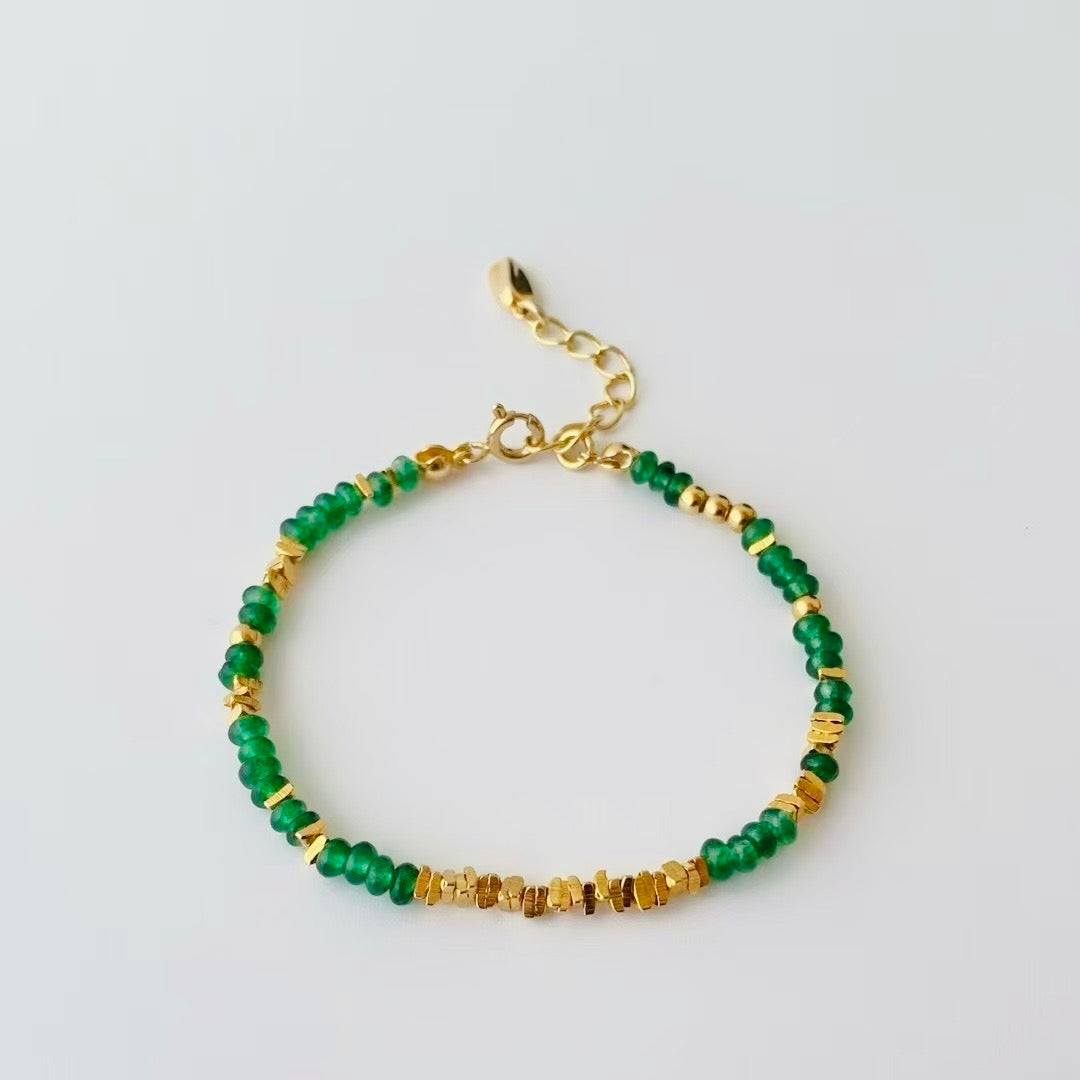
Tips for Selecting Pearl Bracelets with Minor Surface Defects to Avoid Common Mistakes
Navigating Surface Blemishes in Pearl Necklace Selection
Surface characteristics, commonly referred to as complexion or skin, are inherent to pearls and play a significant role in their grading and valuation. Unlike the uniformity of luster discussed previously, which concerns overall light reflection, surface blemishes are specific marks, spots, or irregularities on the pearl's nacre. Learning to assess these features realistically is crucial for making an informed purchase that balances beauty, durability, and budget, avoiding overpayment for flawed goods or undue disappointment with natural characteristics.
Understanding the Nature and Types of Common Surface Marks
Pearls are organic gems, and their surfaces are rarely flawless. Recognizing common blemish types helps in evaluation. Pits are small, sharp indentations. Scratches are fine lines, which can be shallow or more pronounced. Spots or discolorations are areas of concentrated color or dullness. Wrinkles or ridges are raised or textured lines on the surface. Chalky areas appear as dull patches that lack luster. The location, size, and number of these features determine their impact. A single small pit on the side of a pearl is less significant than a large, clustered scratch on its most prominent face. It's important to distinguish between natural blemishes and damage from poor handling, which may appear as deep gouges or cracks.
The Grading Framework: From Clean to Heavily Blemished
The pearl industry uses standardized terms to describe surface quality. "Clean" or "Flawless" surfaces are exceptionally rare and command premium prices; they are virtually free of visible blemishes under normal viewing conditions. "Lightly Blemished" pearls may have one or two minor, inconspicuous marks that are not immediately noticeable from a short distance. "Moderately Blemished" pearls contain several more noticeable marks, but the pearl still retains a good overall appearance. "Heavily Blemished" pearls have obvious and numerous blemishes that dominate the surface. When selecting a necklace, the key is consistency across the strand. A strand graded as "lightly blemished" should have uniformly minor marks, not a mix of clean and heavily blemished pearls.
Practical Inspection Techniques for the Buyer
Always inspect pearls under good, diffused light. Rotate each pearl slowly, examining its entire surface. Do not rely solely on a static, face-up view. For a necklace, pay special attention to the central and most visible pearls. A blemish on the back of a pearl near the clasp is far less critical than one on the front-center pearl. Run your fingers gently over the surface; sometimes significant texture variations like pronounced wrinkles can be felt. Ask the seller about the official surface grade of the strand (e.g., A, AA, AAA scale where AAA is typically clean or very lightly blemished). Be wary of strands where pearls are strategically rotated to hide their worst side; a trustworthy seller will allow full inspection.
Strategic Compromise: Balancing Perfection, Budget, and Setting
The pursuit of a completely blemish-free strand can be costly. For many buyers, a strategic compromise offers excellent value. Consider the final setting and wearability. Pearls set in jewelry where they are partially enclosed (e.g., certain pendants, earrings) can successfully hide a blemish on the mounted side. For a necklace, selecting a grade with minor, uniform blemishes that are not readily apparent when worn (often called "eye-clean") provides a beautiful look at a more accessible price point. The most important factor is often the overal visual harmony. A strand with very high, even luster and good shape can often "carry" a few minor surface marks without diminishing its beauty, as the eye is drawn to the glow rather than the tiny imperfections.