
Article: Tips for Selecting Pearl Bracelets
Tips for Selecting Pearl Bracelets
Pearl Bracelet Buying Guide for Everyday Wear and Long-Term Value
Understanding Different Pearl Types Before Buying
Pearl bracelets come in several varieties, and each type has a different appearance, texture, and durability level. Natural pearls are rare, while cultured pearls are commonly used in modern jewelry. Freshwater pearls often have softer shapes and a more casual appearance, while saltwater pearls are usually rounder and display stronger luster.
When examining a pearl bracelet, focus on surface quality first. Small imperfections are normal, but deep scratches, cracks, or uneven coatings may affect longevity. A smooth and reflective surface usually indicates better craftsmanship and stronger nacre layers.
Why Luster Matters More Than Size
Many buyers focus only on pearl size, but luster is often the most important quality factor. Pearls with sharp reflections and a glowing appearance tend to look more elegant and refined. A bracelet with smaller high-luster pearls can appear more valuable than one with larger dull pearls.
Strong luster also improves visual depth under natural light. This makes the bracelet more versatile for both casual outfits and formal occasions.
Checking Pearl Shape and Matching
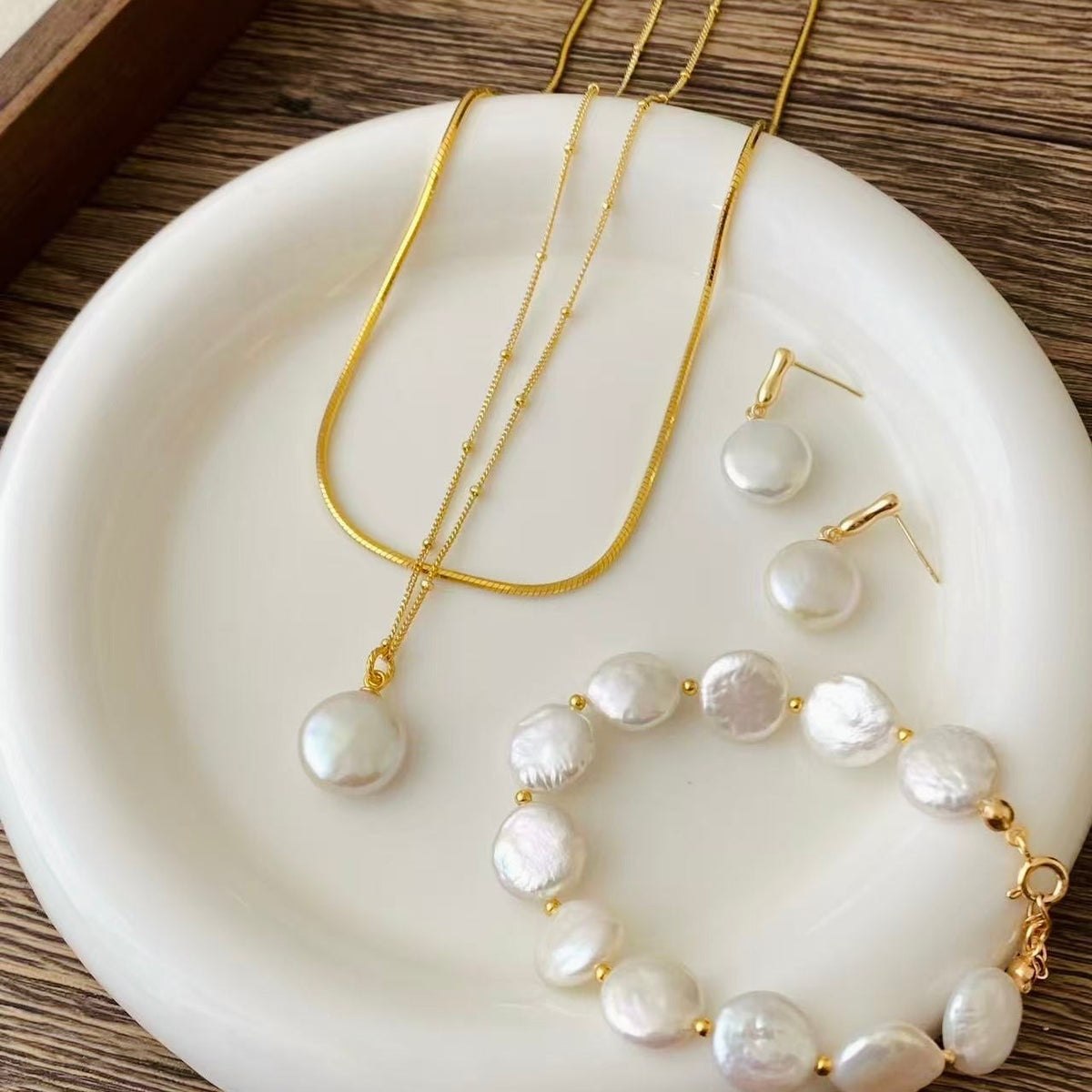
Perfectly round pearls are not always necessary for a beautiful bracelet. Some designs intentionally use baroque or semi-round pearls for a more natural look. However, the pearls should still appear balanced in color, size, and spacing.
Look closely at how well the pearls match each other. Uneven color tones or inconsistent sizing can make the bracelet look lower in quality.
Bracelet Fit and Comfort Considerations
A pearl bracelet should feel secure without becoming tight on the wrist. A proper fit allows slight movement while keeping the pearls aligned naturally. Measuring wrist size before purchasing helps prevent discomfort during long wear periods.
Elastic bracelets may feel convenient, but the internal cord quality matters greatly. Weak elastic materials can stretch over time and increase the risk of breakage.
Clasp Security and Durability
The clasp is one of the most overlooked parts of a pearl bracelet. A secure clasp helps prevent accidental loss during daily activities. Metal closures should open and close smoothly without sharp resistance.
Double-check whether the bracelet includes reinforced threading near the clasp area. This section experiences the most tension during wear and often determines overall durability.
Weight and Daily Wear Practicality
Heavy bracelets may look luxurious, but they are not always comfortable for extended use. Lightweight pearl bracelets are often better for office wear, travel, and daily styling.
If the bracelet will be worn frequently, choose pearls with thicker nacre layers. Thicker nacre improves resistance against peeling and surface wear caused by skin contact and humidity.
Evaluating Color, Style, and Wardrobe Compatibility
Pearls are available in white, cream, pink, silver, and darker tones. Skin tone and clothing style can influence which pearl color appears most flattering. Neutral pearl shades generally offer the widest styling flexibility.
Pay attention to overtone as well. Some pearls display subtle rose, silver, or golden reflections under light. These details can significantly change the bracelet’s appearance.
Choosing Between Classic and Modern Designs
Classic pearl bracelets usually feature uniform pearl sizes and symmetrical layouts. Modern styles may include mixed shapes, layered strands, or metal accents. The best choice depends on how the bracelet will be worn.
Minimal designs often pair more easily with professional clothing, while larger statement bracelets may suit formal events or fashion-focused styling.
Maintenance Requirements Before Purchase
Pearls are softer than many gemstones and require careful handling. Before buying, understand the cleaning and storage requirements. Exposure to perfumes, hairspray, and harsh chemicals can gradually damage the pearl surface.
Soft fabric storage and occasional gentle wiping help preserve luster over time. Buyers who prefer low-maintenance jewelry should consider how often they are willing to perform proper care routines.
Signs of Quality Craftsmanship
Well-made pearl bracelets usually feature tight knotting between pearls. Knotting helps prevent friction damage and reduces the chance of losing multiple pearls if the strand breaks.
Inspect drilling quality around each pearl hole. Clean and centered drilling improves both durability and appearance.
Spotting Poor Construction
Loose pearls, uneven spacing, weak threading, and rough drill holes often indicate lower manufacturing standards. Excess glue around decorative components may also suggest poor finishing quality.
A bracelet should feel balanced when worn. Twisting, uneven tension, or awkward positioning may indicate construction issues that become worse over time.
Verifying Authentic Pearl Characteristics
Real pearls usually feel slightly cool when first touched and develop warmth gradually against the skin. They also tend to have subtle surface texture rather than a perfectly artificial smoothness.
Rubbing two pearls gently together may produce a faint gritty sensation due to the natural nacre structure. Completely smooth friction can sometimes indicate imitation materials.

