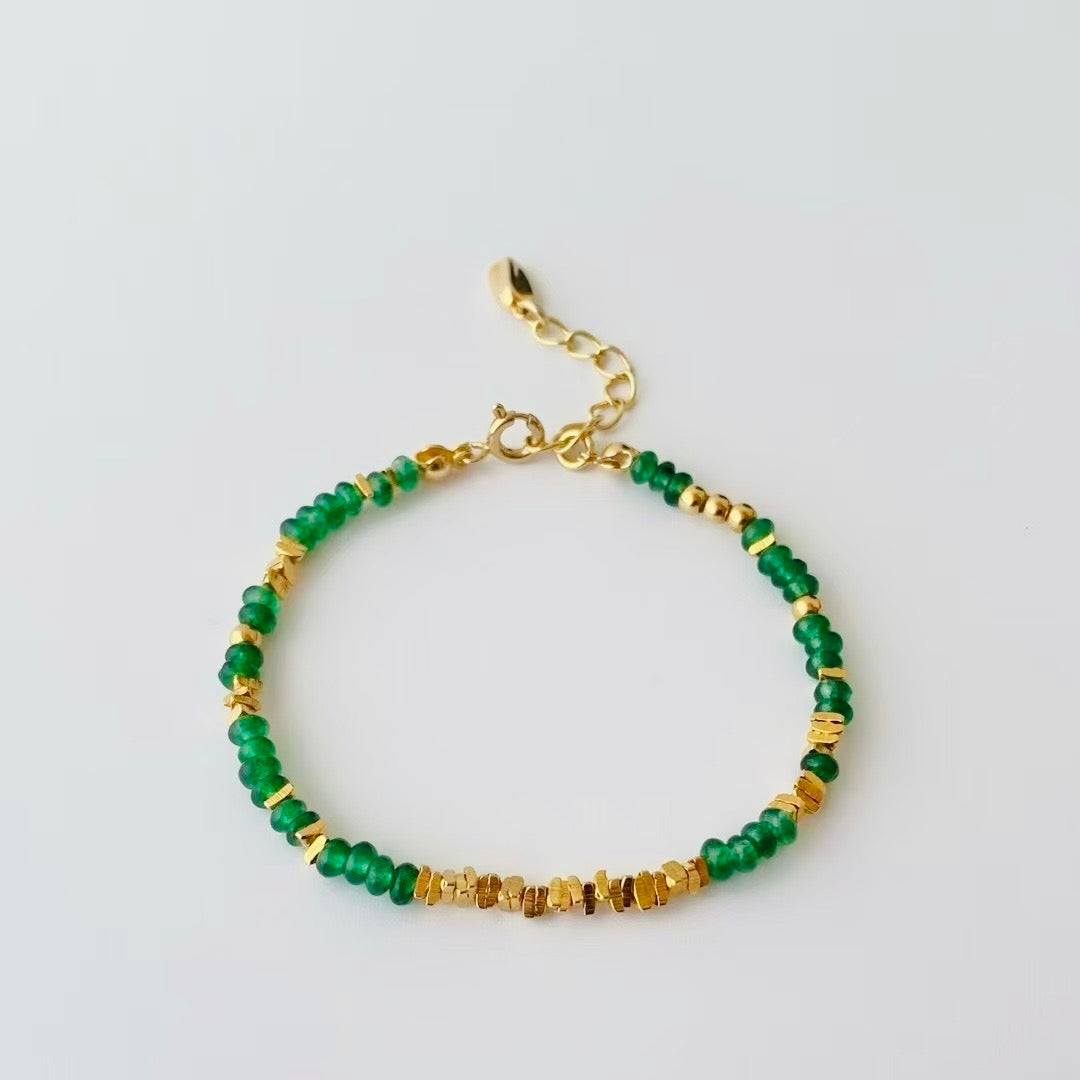
Tips for Identifying and Purchasing Authentic Pearl Bracelets
A Guide to Authenticating and Selecting a Quality Pearl Bracelet
Purchasing a pearl bracelet involves navigating both authenticity and quality. While confirming a piece is made of genuine cultured pearl is the first step, understanding the markers of superior craftsmanship and material ensures your selection is not only real but also durable and visually exceptional.
Evaluating Luster and Surface Character for Authenticity
Begin by examining the pearls under a soft, natural light. Authentic pearls exhibit a deep, radiant luster that seems to emanate from within, with a soft glow and often a subtle play of iridescent color known as orient. Observe the surface carefully; natural pearls will almost always have minor imperfections such as slight ridges, bumps, or texture variations. An impeccably smooth, perfectly uniform surface is a common trait of imitation beads. The luster should be clear and sharp, not flat or chalky, which can indicate thin nacre or lower quality.
Assessing Weight, Temperature, and Tactile Response
Genuine pearls have a satisfying, substantial weight for their size due to their dense crystalline structure. Pick up the bracelet and feel its heft; plastic imitations often feel noticeably light. The pearls should also feel cool to the touch initially, warming slowly against your skin. Perform the classic "tooth test" gently: rub a pearl lightly against the edge of your front tooth. A real pearl will feel slightly gritty or sandy because of the microscopic layers of nacre, while a faux pearl made of glass or coated plastic will feel perfectly smooth.
Inspecting Drill Holes and Construction Details
The drill holes offer a revealing view. On a genuine pearl, the hole is typically neat and precise. You may observe a layered, shell-like appearance around the hole's edge, and the interior will look clean and sharp. On many imitations, especially plastic ones, the hole may appear rough, have a beaded or molded rim, or show signs of the outer coating peeling away. For bracelets, also examine the stringing. Individual knotting between pearls is a sign of quality craftsmanship, protecting the pearls from rubbing against each other and securing the strand if it breaks.
Considering Pearl Type, Matching, and Long-Term Wear
Understanding the common types of pearls aids in setting realistic expectations. Akoya pearls are known for brilliant luster and near-round shapes but often have thinner nacre. Freshwater pearls offer a wider variety of shapes and colors with generally good durability. South Sea and Tahitian pearls are larger and possess very thick nacre, contributing to a deep, satiny luster. Regardless of type, check how well the pearls are matched in size, shape, color, and luster across the bracelet. Good matching indicates a higher grade. For a piece meant for regular wear, prioritizing pearls with adequate nacre thickness is crucial for preventing premature wear or chipping.