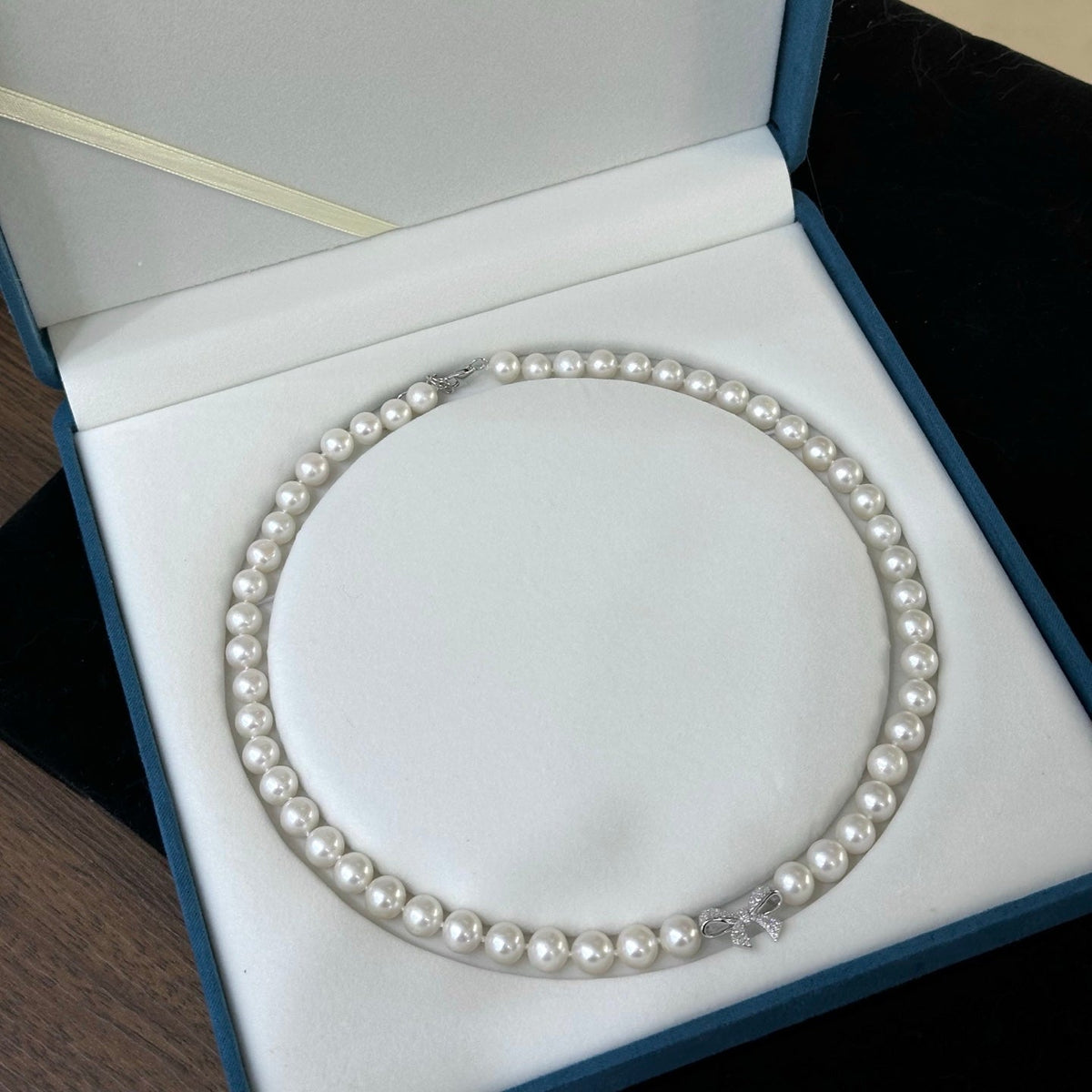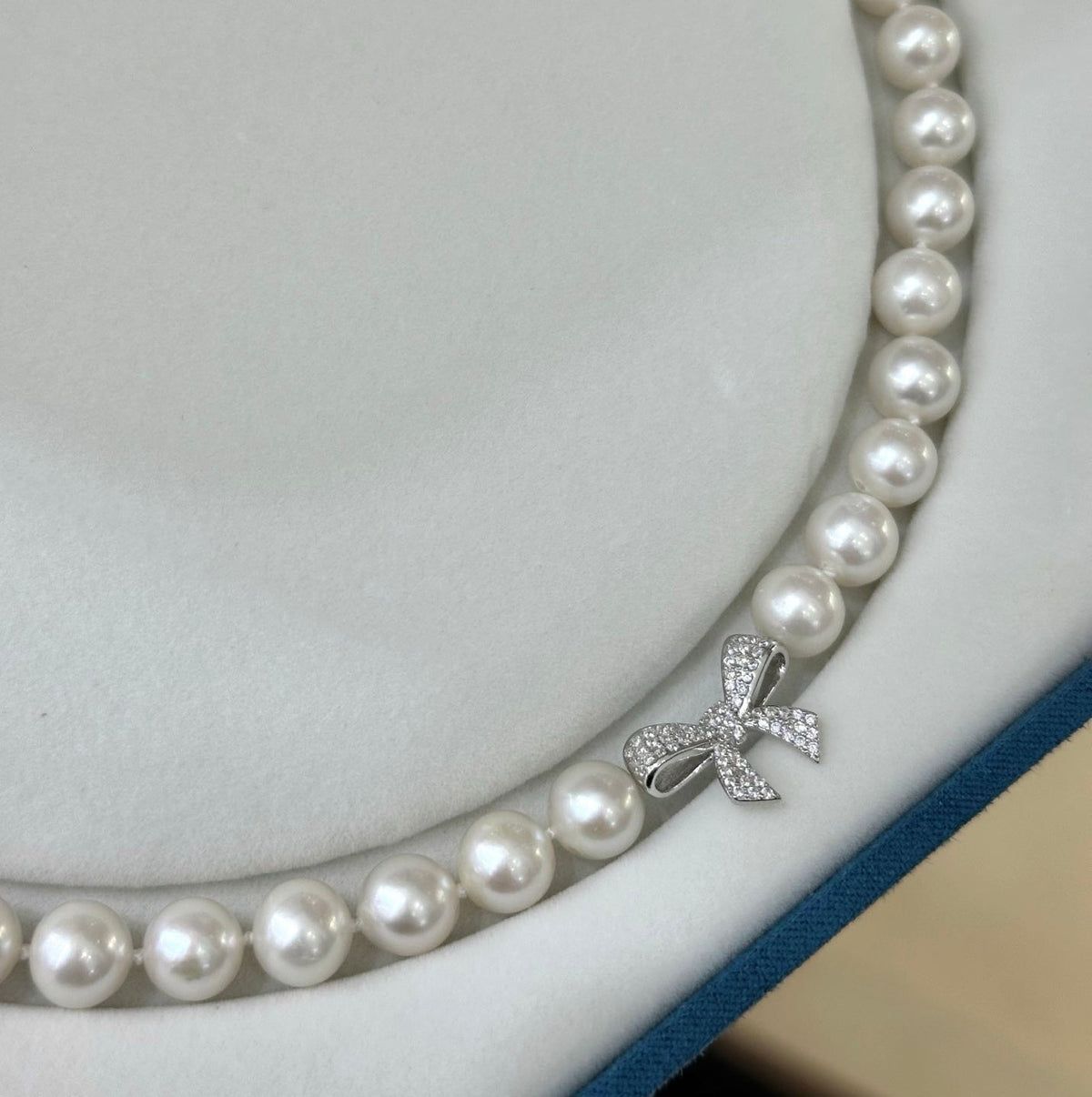
Selection Methods for Selecting Uncommon Styles of Pearl Bracelets
How to Pick a Niche Pearl Bracelet That Actually Stands Out
Everybody owns a classic white pearl strand by now. The round ones, the graduated ones, the single-row with a simple clasp. They are beautiful, sure. But they are also everywhere. If you want something that does not look like every other pearl bracelet on the market, you need to go niche — and you need to know what you are looking for before you start shopping.
Niche does not mean weird. It means intentional. The best offbeat pearl bracelets still follow design logic — they just break the rules most people do not even know exist.
What Makes a Pearl Bracelet "Niche" in the First Place
Most pearl bracelets fall into a handful of familiar categories. Round pearls, uniform size, single strand, classic clasp. That is not niche. That is default.
A niche design breaks at least one of those conventions. Maybe the pearls are baroque instead of round. Maybe the strand is wrapped twice instead of once. Maybe there is an unexpected material woven in — leather, silk thread, even wood. The point is that it does not look like it came off a generic jewelry assembly line.
But here is the thing: not every unconventional design is actually good. Some of it is just ugly with a marketing budget. Knowing the difference is everything.
Baroque Pearls Are Not Just "Weird-Shaped" — They Are a Whole Aesthetic
Baroque pearls have been having a moment for a few years now, and for good reason. No two are alike. They have ridges, bumps, asymmetrical curves, and organic shapes that round pearls simply cannot replicate.
A baroque pearl bracelet looks completely different on the wrist than a classic strand. It feels more artistic, more lived-in, less perfect. And that imperfection is exactly what makes it stand out.
The trap? Not all baroque pearls are created equal. Some have deep pits, cracked surfaces, or dull luster that no amount of styling can save. When shopping for baroque, luster is even more important than shape. A baroque pearl with sharp, reflective glow will always look better than a perfectly smooth one with flat, dead light.
Wrapped and Multi-Strand Designs Add Dimension Without Adding Clutter
A single-strand pearl bracelet sits flat against the wrist. A double-wrap or triple-wrap design creates layers, movement, and visual weight without needing any other materials.
The key with wrapped designs is strand length. Too short and it chokes the wrist. Too long and it dangles awkwardly. The right length depends on your wrist size, but a good rule is that the wrapped bracelet should sit snugly without digging in — you should be able to slide a finger between the bracelet and your skin.
Silk thread wrapping is a common technique in niche designs. It adds color, texture, and a handmade feel that metal clasps and plain elastic cannot match. If you see a pearl bracelet with visible silk thread between the pearls, that is usually a sign the maker cares about details beyond the obvious.
Materials That Show Up in Niche Designs (And Which Ones Actually Work)
Once you step outside the classic pearl strand, you start seeing all kinds of materials mixed in. Some of these combinations are genius. Some are disasters. Here is how to tell the difference.
Leather and Pearl Is a Combination That Either Works or Falls Apart
Leather with pearl sounds rustic. It can look incredible — or it can look like a craft fair project. The difference comes down to the leather quality and the pearl quality matching each other.
Thin, cheap leather with large, lustrous pearls looks off. The materials are not speaking the same language. Thick, well-tanned leather with smaller, evenly sized pearls creates a balance that feels intentional. The leather should look substantial, not flimsy. The pearls should look refined, not overwhelming.
Cord leather wraps around the strand instead of threading through it. This style ages beautifully — the leather darkens over time and the contrast with the pearl gets richer. If you want a bracelet that looks better with age, this is one of the best directions to go.
Metal Accents in Niche Bracelets Need to Be Subtle
Gold beads, silver spacers, tiny charms — metal accents can elevate a pearl bracelet or kill it. The line between the two is subtlety.
Small gold beads scattered between pearls add warmth without competing. A large metal charm hanging off the clasp draws attention away from the pearls and turns the bracelet into a charm bracelet that happens to have pearls on it. That is not what you want.
If there are metal elements, they should be smaller than the pearls and spaced evenly. Irregular spacing looks accidental. Even spacing looks designed.
Natural Stone and Pearl Pairings Require a Color Plan
Adding turquoise, lapis, agate, or moonstone to a pearl bracelet can be stunning. It can also look like a mistake if the colors are fighting each other.
Stick to a palette. Warm pearls with warm stones — think cream pearls with carnelian or goldstone. Cool pearls with cool stones — white pearls with turquoise or aquamarine. Mixing warm and cool without intention creates visual noise.
The stones should also be smaller than the pearls. This keeps the pearl as the focal point and lets the stones act as accents rather than equals.
How to Evaluate Quality When the Design Is Unconventional
Niche designs make quality harder to judge because your eye is drawn to the unusual elements. A great designer knows this and uses it to distract you from cheap materials. Do not fall for it.
Check the Pearls First, Always
No matter how interesting the design is, if the pearls are low quality, the whole bracelet suffers. Look at luster under natural light. The surface should reflect light sharply, not diffusely. Check for visible pits, cracks, or dull spots. Run your fingernail gently across the surface — real pearl feels smooth and slightly gritty at the same time. Plastic or glass feels too smooth, too perfect.
For baroque pearls, check that the irregularities are surface-level, not structural. A bump is fine. A crack that goes deep is not.
Examine the Construction Under Magnification
If you can, look at the bracelet under good light or with a magnifying glass. Check where the pearls connect to each other and to the clasp. Knots should be tight and hidden. Wire should not be visible. If the bracelet uses crimp beads or wire wrapping, those connections should be flush with the pearl surface, not sticking out.
A niche design with sloppy construction is just a cheap design with an interesting idea. The execution has to match the ambition.
Test the Clasp Before You Commit
This is the most overlooked step. The clasp on a niche bracelet is often more complex than a standard lobster claw or toggle. It might be a toggle with a custom ring, a magnetic closure, or a wrapped knot system.
Open and close it ten times. It should feel smooth, not stiff. It should not require force. If the clasp is the weakest part of the design, the whole bracelet will fail there first — and niche clasps are harder to replace than standard ones.
Where to Actually Find Niche Pearl Bracelets
The usual jewelry counters are not where you will find these. Niche pearl bracelets live in smaller workshops, independent designers, and estate sales.
Independent Makers Are Your Best Bet
Small-batch designers who make pearl jewelry by hand are the gold standard for niche pieces. They often use higher-quality pearls because they are not buying in bulk at wholesale prices. They also pay attention to construction details that mass producers skip.
Look for makers who show their process. Photos of stringing, videos of knotting, close-ups of pearl selection — these are signs of someone who actually cares about what they are making.
Estate and Vintage Markets Hide Real Gems
Older pearl bracelets — especially from the mid-century — often have design elements that have come back into style. Silk-wrapped strands, mixed-material clasps, unusual pearl shapes. These were made when jewelry was still crafted by hand, and the quality is usually better than anything being produced today at a similar aesthetic level.
The risk is condition. Check pearls for peeling nacre, check clasps for wear, check thread or cord for fraying. A vintage bracelet in good condition with interesting design is often a better buy than a new one that is trying too hard to look different.
The Mindset Shift That Makes Niche Shopping Work
Most people shop for pearl bracelets by comparing them to the classic strand. That is the wrong frame. A niche bracelet is not trying to be a classic strand. It is trying to be something else entirely.
Stop asking "is this as good as a classic pearl bracelet?" and start asking "does this design make sense on its own terms?" If the answer is yes, you found something worth wearing. If the answer is no, it does not matter how unique it is — it is still a bad bracelet.
The best niche pearl bracelets do not scream for attention. They sit on the wrist quietly and make people lean in closer to figure out what they are looking at. That is the sweet spot. Find it, and you will never go back to the default strand.