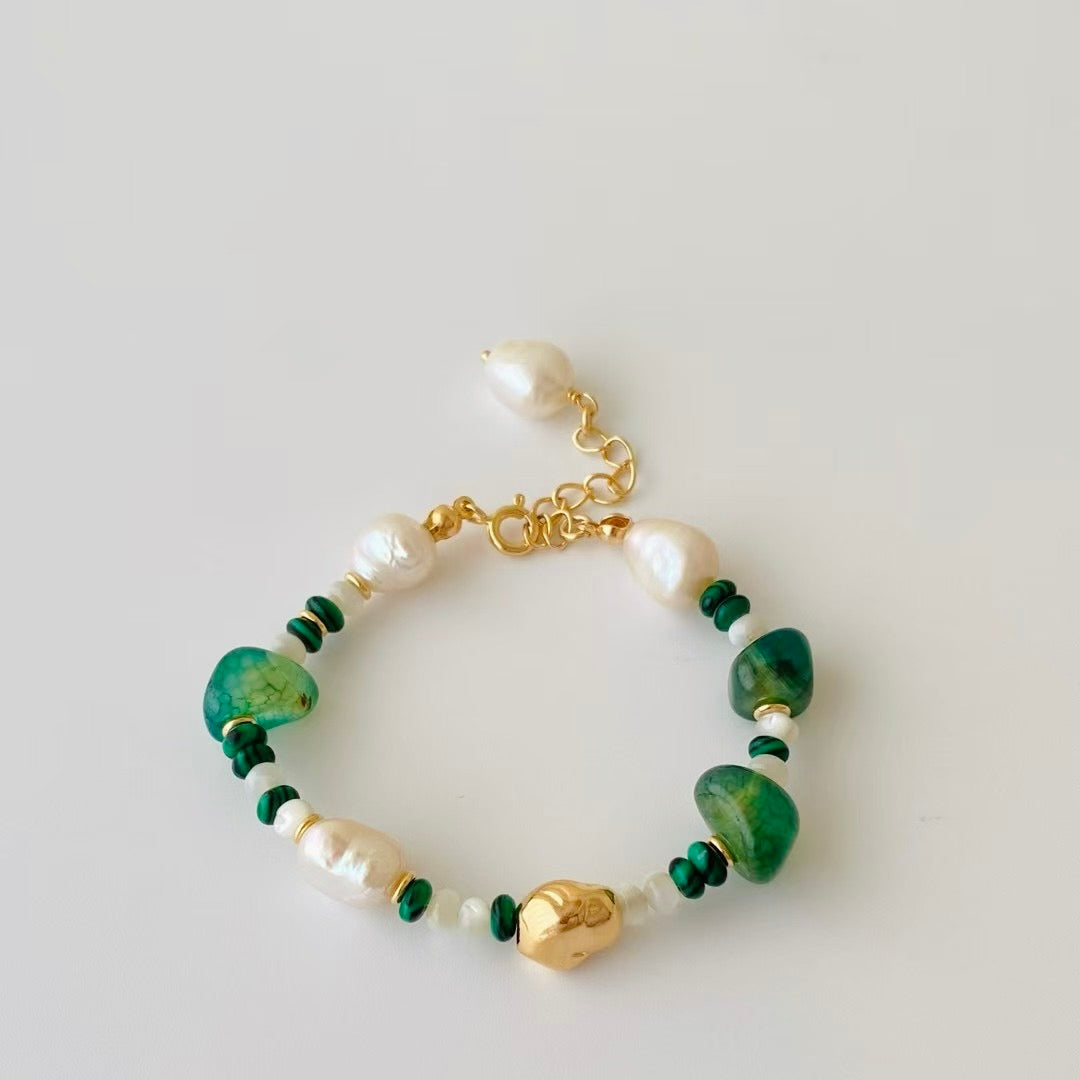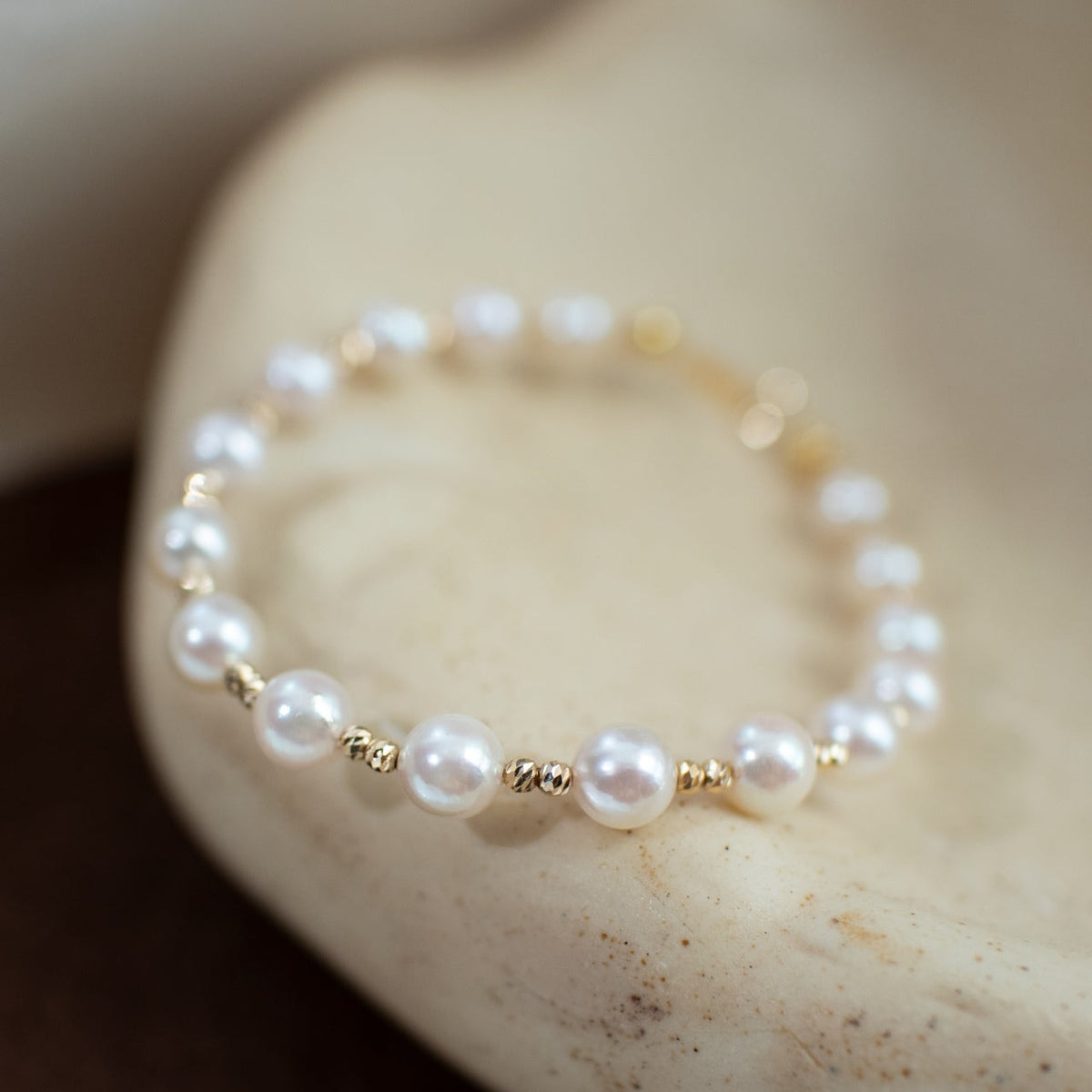
Repair and maintenance for the pearl bracelet, including minor wear and tear.
Pearl Bracelet Minor Wear Repair: How to Fix Light Damage Before It Gets Worse
Your pearl bracelet has a few dull spots. Maybe a surface scratch you noticed under the light. Maybe the luster isn't what it used to be. These are early signs of wear, and most people panic and think the pearls are ruined. They're not. Minor wear on pearls is repairable in most cases, and catching it early means you can restore most of the original shine without any professional help. The key is knowing what you can fix at home, what you need a specialist for, and what you should just leave alone.
What Minor Wear Actually Looks Like on Pearls
Not every imperfection is serious damage. Knowing the difference saves you from overreacting or underreacting.
Dull Spots From Surface Buildup
This is the most common and the easiest to fix. Over time, skin oils, lotion residue, perfume film, and dust accumulate on the nacre surface. The pearl doesn't look scratched — it just looks flat, lifeless, and slightly yellow in the affected area. The nacre underneath is fine. It's just covered.
This type of wear responds well to a gentle cleaning. You don't need anything fancy. A soft cloth and distilled water can bring back most of the lost shine in minutes.
Hairline Scratches You Can Barely See
A hairline scratch on a pearl is a thin line on the nacre surface. It's not a chip, not a crack, just a shallow mark. You usually only see it when light hits it at a certain angle. These scratches don't go deep enough to reach the calcium carbonate layers beneath, so they don't compromise the pearl's structure.
You can't erase them completely. But you can reduce their visibility with careful polishing and by keeping the surface clean so they don't catch more dirt over time.
Slight Yellowing From Chemical Exposure
If your bracelet has been exposed to perfume, sunscreen, or heavy skin oils, you might notice a faint yellow or brownish tint in spots. This isn't a scratch — it's a chemical reaction on the nacre surface. The calcium carbonate has reacted with acids or alcohols and changed color slightly.
Mild yellowing can be improved with a nacre-safe cleaning. Severe yellowing that has set in for months or years is much harder to reverse.
How to Restore Luster at Home When the Damage Is Light
Most minor wear can be addressed with nothing more than a cloth and some patience.
The Distilled Water Wipe Method
Start with the simplest approach. Take a clean microfiber cloth and dampen just the corner with distilled water. Not tap water — distilled water has no minerals that can leave spots or cause further damage. Wipe each pearl individually using light, single-direction strokes. Don't rub in circles. Don't press hard. Just gentle contact along the surface.
After wiping, use a dry section of the cloth to remove any remaining moisture immediately. Then lay the bracelet flat on a clean towel and let it air dry for fifteen minutes. Don't use a hairdryer. Heat can crack the nacre, especially if there are already micro-scratches present.
This alone can restore a surprising amount of lost luster. Surface grime is responsible for more dullness than actual damage in most cases.
Using a Chamois Cloth for Stubborn Dull Spots
If the distilled water wipe doesn't bring back the shine, try a chamois cloth. This is the soft, suede-like material used for drying cars. It's gentler than microfiber and can polish very light surface scratches without removing nacre.
Dampen the chamois slightly with distilled water. Rub each dull pearl in small circular motions with almost no pressure. You're not trying to scrub anything off — you're just buffing the surface to even out the light reflection. After thirty seconds per pearl, wipe dry with a clean cloth.
This works best on dull spots caused by buildup, not on deep scratches. If you feel any resistance or grittiness, stop. The scratch is too deep for home treatment.
The Baby Shampoo Solution for Chemical Stains
When yellowing or discoloration comes from perfume or sunscreen, plain water isn't enough. Mix one drop of pH-neutral baby shampoo into a small bowl of distilled water. Dip the corner of a soft cloth into the solution — not the whole cloth — and wipe each affected pearl gently.
Rinse the cloth in clean distilled water, wipe again to remove all soap residue, then pat dry. The mild surfactant in baby shampoo breaks down the chemical film without attacking the nacre. This works well for fresh chemical exposure. For stains that have been sitting for months, the results are less predictable.
What You Should Never Do When Your Pearls Show Wear
Some home repair attempts make minor damage worse. Avoid these at all costs.
Never Use Toothpaste or Baking Soda
This is the most common bad advice floating around the internet. Toothpaste contains mild abrasives designed to scrub enamel. Baking soda is a stronger abrasive. Both will scratch the nacre surface and remove the top layer of pearl. You might get a temporary shine boost, but you've permanently thinned the pearl in the process. Thinner pearls are more fragile, more prone to cracking, and less valuable.
Never Use Lemon Juice or Vinegar
Acidic solutions eat calcium carbonate. Since nacre is mostly calcium carbonate, lemon juice and vinegar literally dissolve the pearl surface. Even a quick wipe with lemon juice can cause permanent etching. The "lemon juice makes pearls shiny" myth has destroyed more nacre than anything else.
Never Use a Toothbrush or Any Hard Brush
A toothbrush — even a soft one — is too aggressive for pearl surfaces. The bristles are designed to scrub teeth, not polish nacre. They create micro-scratches that accumulate over time and turn a minor dull spot into a permanent blemish. Stick to cloths only. Microfiber, chamois, or clean cotton. Nothing with bristles.
When Minor Wear Needs Professional Attention
Home care has limits. Knowing when to step back and let a specialist handle it protects your pearls from irreversible damage.
Deep Scratches That Catch Your Fingernail
Run your fingernail gently across the scratch. If it catches, the scratch is too deep for home treatment. A caught scratch means the nacre layers have been disrupted, and any further buffing will only remove more nacre. A pearl specialist can assess whether the scratch can be polished safely or if the pearl needs to be replaced.
Cracks That Show Under Light
Hold each pearl up to a bright light source and rotate it slowly. If you see a visible line that wasn't there before, that's a crack. Cracks don't heal. They spread over time, especially with continued wear. A specialist can sometimes stabilize a crack with a clear nacre coating, but the pearl will never look exactly the same.
Significant Luster Loss Across Multiple Pearls
If most of the pearls on your bracelet look dull at the same time, it's not a surface issue. The nacre itself has degraded. This happens with older pearls or pearls that have been heavily exposed to chemicals over years. A specialist can do a full nacre polishing, but this removes a thin layer from every pearl. It should only be done once or twice in the entire life of the bracelet.
Preventing Minor Wear From Turning Into Major Damage
The best repair is no repair. Slowing down the wear process means your pearls stay closer to their original condition for longer.
Clean Your Bracelet After Every Single Wear
This sounds excessive, but it takes thirty seconds. After you take your bracelet off, wipe each pearl with a dry microfiber cloth. This removes the oils, sweat, and chemical residue that cause dulling and yellowing over time. A pearl that gets wiped after every wear will look better after five years than one that gets wiped once a month.
Rotate Your Bracelets
If you own multiple pearl bracelets, don't wear the same one every day. Rotating them gives each strand time to rest and dry out between wears. Constant daily wear accelerates thread aging and surface buildup. A bracelet that gets worn three days a week will last twice as long as one worn seven days a week.
Keep a Soft Cloth With You When You Travel
When you're away from home, your pearls are more exposed. Hotel air is dry. Your routine is disrupted. You're more likely to skip cleaning. Carry a small microfiber cloth in your bag and wipe your bracelet every night before you put it away. It takes ten seconds and prevents a week's worth of buildup from setting in.
The Realistic Expectation You Should Have
Minor wear on pearls is normal. It happens to every bracelet, no matter how carefully you handle it. The goal isn't to keep your pearls looking brand new forever — that's not possible with organic gems. The goal is to slow the wear down, catch it early, and address it before it becomes permanent.
A pearl with a few light scratches and slightly reduced luster is still a beautiful pearl. It's still wearable, still valuable, still yours. The ones that end up in a drawer aren't the ones with minor wear — they're the ones where the owner panicked, used the wrong cleaning method, and made the damage ten times worse.
Wipe gently, store separately, avoid chemicals, and don't try to fix deep damage with home remedies. That's all it takes to keep minor wear minor for as long as possible.