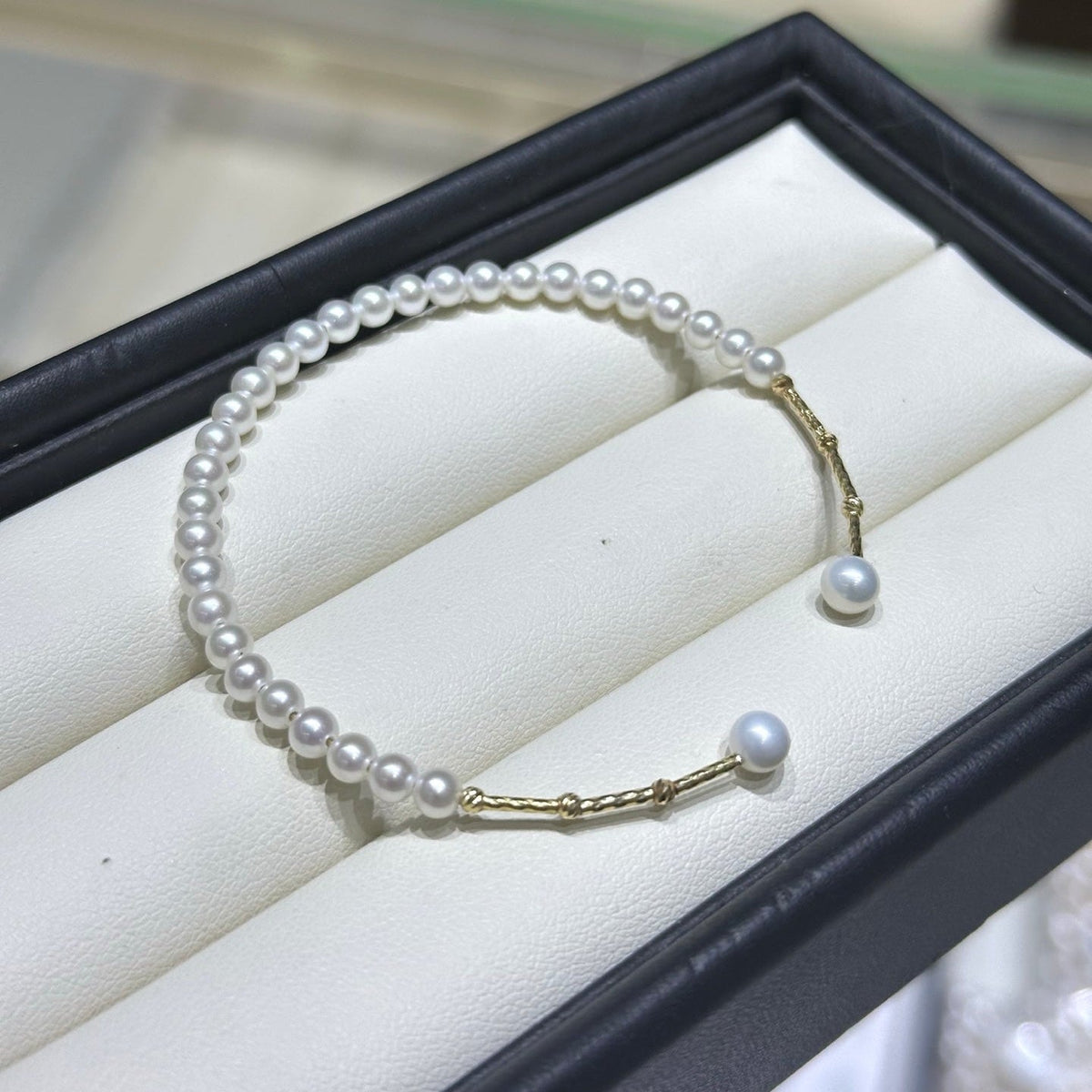
Methods for preventing oxidation and maintaining the beauty of pearl bracelets
How to Prevent Pearl Bracelets from Oxidizing: The Complete Care Guide
Pearl bracelets are timeless, elegant, and utterly irreplaceable — until they start turning yellow. That dreaded yellowing? It's oxidation at work. Pearls are organic gemstones made of over 90% calcium carbonate and around 4% water, wrapped in a delicate nacre layer. When that layer meets air, sweat, chemicals, or sunlight over time, it breaks down. The result is what people call "ren lao zhu huang" — literally, when the person grows old, the pearls turn yellow.
The good news? You can dramatically slow this process down with the right habits. Here's exactly what works.
Why Pearls Turn Yellow in the First Place
Before diving into prevention, it helps to understand the enemy. Pearl oxidation happens when the organic compounds inside the nacre react with oxygen, UV light, heat, and acidic substances. Sweat alone — with its natural acids and salts — can seep into the tiny pores on a pearl's surface and trigger discoloration. Add perfume, hairspray, or kitchen steam into the mix, and you've got a recipe for rapid aging.
Once the aragonite mineral inside the pearl converts to calcite (a more stable but duller form), the damage becomes nearly irreversible. That's why prevention matters far more than any fix.
Daily Habits That Actually Protect Your Pearls
Keep Chemicals Far Away from Your Skin — and Your Pearls
This is non-negotiable. Pearls have microscopic pores that absorb everything around them. Perfume, hairspray, nail polish remover, sunscreen, and even hand lotion will dull the luster and accelerate yellowing. The rule is simple: get dressed, sprayed, and lotioned first — then put on your pearl bracelet last. Take it off first when you're done for the day.
Avoid wearing pearls while cooking. Kitchen steam and oil particles are silent killers. They slip into those pores and cause irreversible yellow stains. Same goes for the salon — hair chemicals and fumes will wreck your bracelet faster than you'd expect.
Wipe After Every Single Wear
After wearing your pearl bracelet, especially on hot days or after light exercise, wipe it down immediately. Use a soft chamois cloth or a fine microfiber cloth — never paper towels, which can scratch the surface. Gently remove sweat and oils before they settle in. Let it air dry naturally, then store it properly.
If you do get it wet from sweat, a soft damp cloth works fine. But never soak it, never rinse it under a tap, and never use ultrasonic cleaners. Water gets trapped inside the drill holes, can't fully dry out, and may cause the string to turn green or the pearl to ferment from within.
Storage Rules That Most People Get Wrong
Don't Suffocate Your Pearls
Here's a mistake almost everyone makes: sealing pearls in a plastic bag or airtight box "to keep them safe." That's exactly what you shouldn't do. Pearls need to breathe. Trapped moisture creates a stagnant environment that speeds up yellowing and dehydration alike. Store your bracelet in a soft cloth pouch or a lined jewelry box with breathable fabric — silk or velvet works best.
Also, never lock pearls in a safe for months at a time. Pull them out every few months, let them sit in the open air, and wear them. Yes, wearing them is actually good for them — the natural oils from your skin help keep the nacre hydrated and lustrous.
Keep Them Flat, Not Hanging
Gravity is not your friend when it comes to pearl strings. Hanging a pearl bracelet for long periods stretches the silk or nylon thread, causing it to weaken and eventually snap. Always lay it flat in its storage pouch. If you have a long strand, consider tying small knots between each pearl — this way, if the string does break, you lose at most one pearl instead of the whole bracelet.
What to Do When Yellowing Has Already Started
If your bracelet has already begun to lose its shine or show faint yellow tones, don't panic — but act fast. For mild surface discoloration, a gentle wipe with a soft cloth and a tiny bit of neutral soap solution can help. Some jewelers recommend a very dilute alkali water rinse for nylon-strung pearls (never silk-strung ones).
For more noticeable yellowing, dilute hydrochloric acid can dissolve the oxidized outer layer and restore brilliance. But this is a professional-grade treatment — attempting it at home risks permanent damage. Your safest bet is to take it to a trusted jeweler who specializes in pearl restoration. They have the tools and expertise to polish without destroying the nacre.
The Three-Year String Replacement Rule
This one flies under the radar. The thread inside your pearl bracelet degrades over time — sweat, dust, and friction wear it down from the inside. Most experts recommend inspecting the string every one to two years and replacing it entirely every three years (or sooner if you wear it daily). A broken string near the clasp is the most common failure point, and once it snaps, those pearls scatter and disappear forever.
Skip the DIY restringing unless you have experience. A professional will use the right thread tension and knot technique to keep your bracelet secure for years to come.
Quick Reference: The Do's and Don'ts at a Glance
Do: Wear pearls often (they thrive on air and light moisture), wipe with chamois after each wear, store flat in breathable fabric, check the string annually.
Don't: Shower or swim with them, spray perfume near them, store in plastic, hang them long-term, use paper towels or chemicals to clean them, expose them to direct sunlight for extended periods.
Pearls are living gemstones — they respond to how you treat them. With consistent, gentle care, a well-maintained pearl bracelet can keep its glow for decades. The ones that turn yellow? They were usually just neglected. Don't let that be yours.