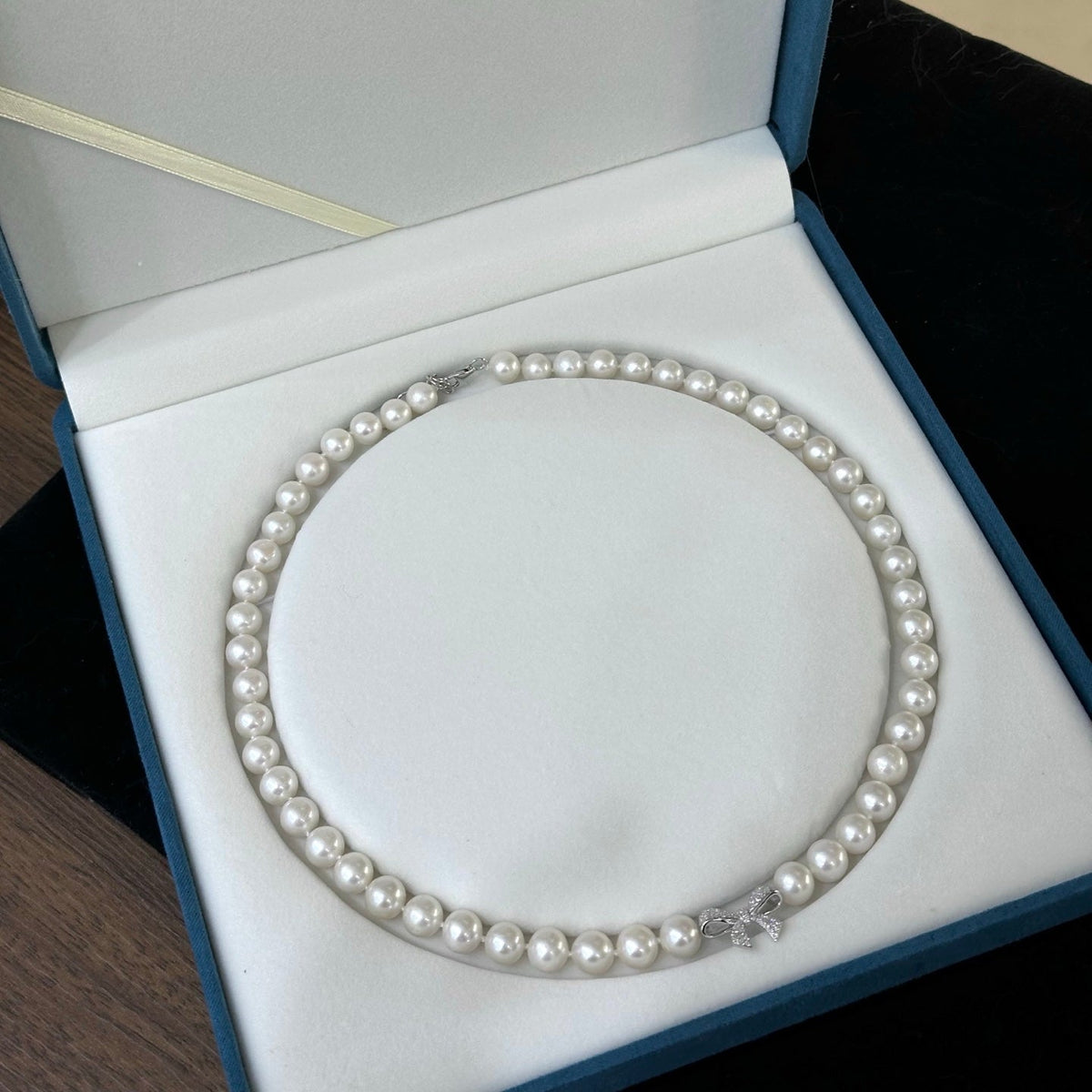
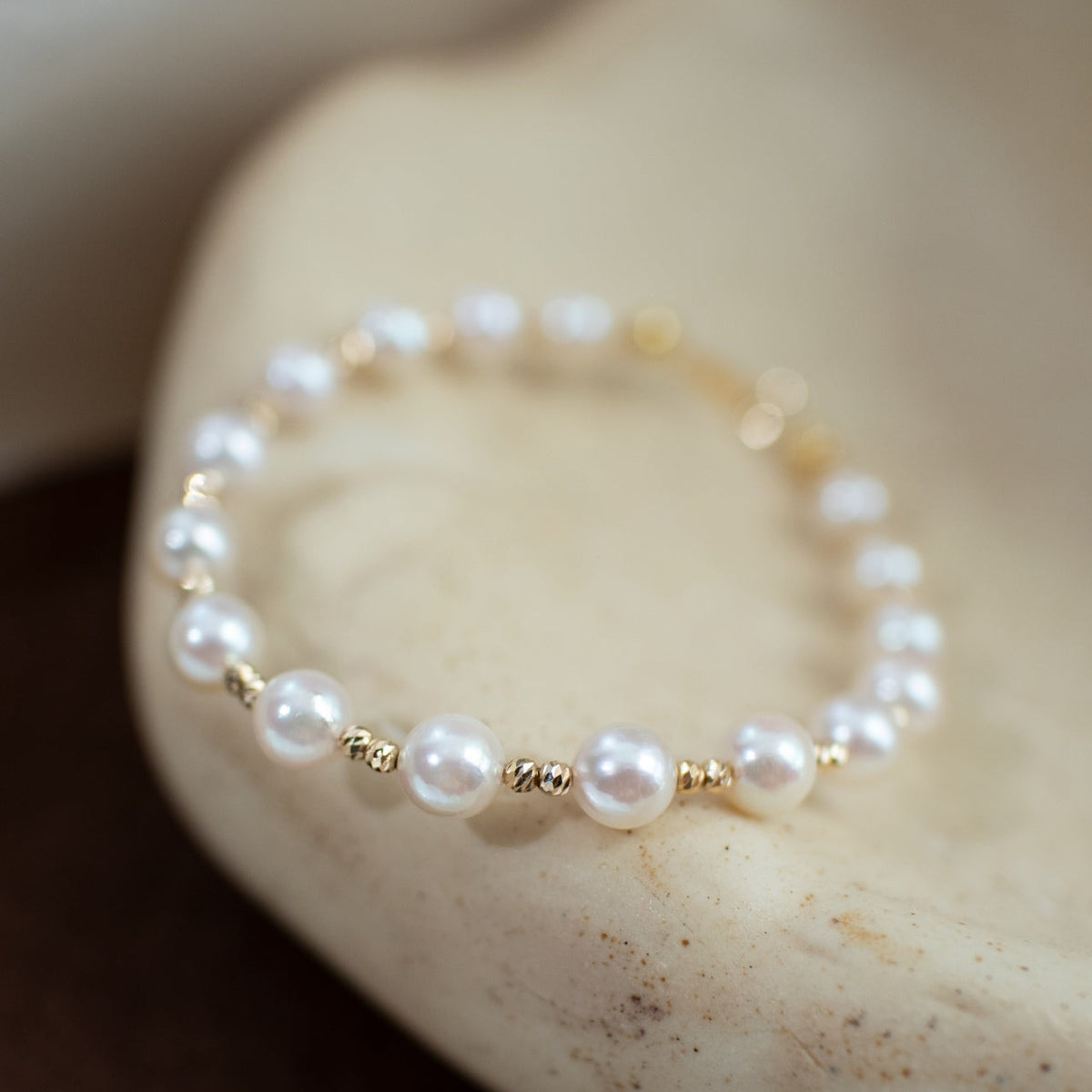
Method for calculating the size of a pearl bracelet with multiple loops around the hand
Base Wrist Circumference Measurement and Multi-Loop Baseline Calculation
The very first step in sizing a multi-wrap pearl bracelet is to get an accurate, unadjusted measurement of the wrist circumference at the point where the bracelet will naturally sit. You use a soft, flexible measuring tape to wrap snugly around the wrist, avoiding any overly tight tension that would compress the skin and give an artificially small reading. This raw circumference value is then multiplied directly by the exact number of loops the bracelet is designed to make around the wrist, creating the core baseline length that the full strand needs to cover. This initial number gives you a solid starting point, and it ensures you never end up with a total strand length that falls far too short to wrap around the wrist the intended number of times.
This baseline calculation eliminates the most common sizing mistake, where people underestimate the total length required for multiple loops and end up with a strand that cannot even wrap fully around the wrist without being stretched to an uncomfortable tight tension.
Pearl Diameter and Inter-Bead Gap Compensation Adjustment
Once you have the total baseline circumference for all loops, you adjust the calculation to account for the physical space each pearl and the gaps between them take up along the strand. You divide the adjusted total loop length by the exact diameter of the individual pearls being used, to get a rough count of how many pearls will fit along the full strand. You then subtract a small, carefully calculated number of units from this total count, to leave room for the small gaps between each pearl that prevent the finished bracelet from feeling rigid, stiff, and painfully tight when wrapped multiple times around the wrist. This adjustment accounts for the fact that perfectly packed pearls with no gap will not flex naturally, and will feel far more constricting than a single loop bracelet of the exact same measured length.
This compensation step is what separates a multi-wrap bracelet that sits softly and comfortably against the skin, from one that feels rigid, over-packed, and leaves deep indentations on the wrist after just a short time of wearing.
Final Fit Testing and Minor Iterative Tuning
Before the full strand is strung permanently, you run a quick physical simulation by wrapping a pre-measured length of flexible cord around the wrist the exact number of target loops, with sample pearls strung along it to match the calculated count. You move your hand through normal daily motions, bending your wrist fully and making a range of natural gestures, to check that the wrapped loops do not pinch, bind, or twist awkwardly out of alignment. If the loops feel too tight and pull against each other, you add a tiny number of extra pearls to create a little more slack; if the loops slide down the forearm too easily and lose their neat stacked arrangement, you remove a small number of pearls to bring the total length back down. This final hands-on test catches all small calculation errors that pure math alone cannot account for, and ensures the finished multi-wrap bracelet sits perfectly, stays neatly stacked, and feels completely natural through hours of continuous wear.
This final iterative tuning step accounts for the subtle differences in wrist shape, personal movement habits, and individual preference for tight or relaxed fit, turning a purely mathematical calculation into a bracelet that fits perfectly for the specific person who will wear it.