Maintenance Tips for Pearl Bracelets with Shiny Beads
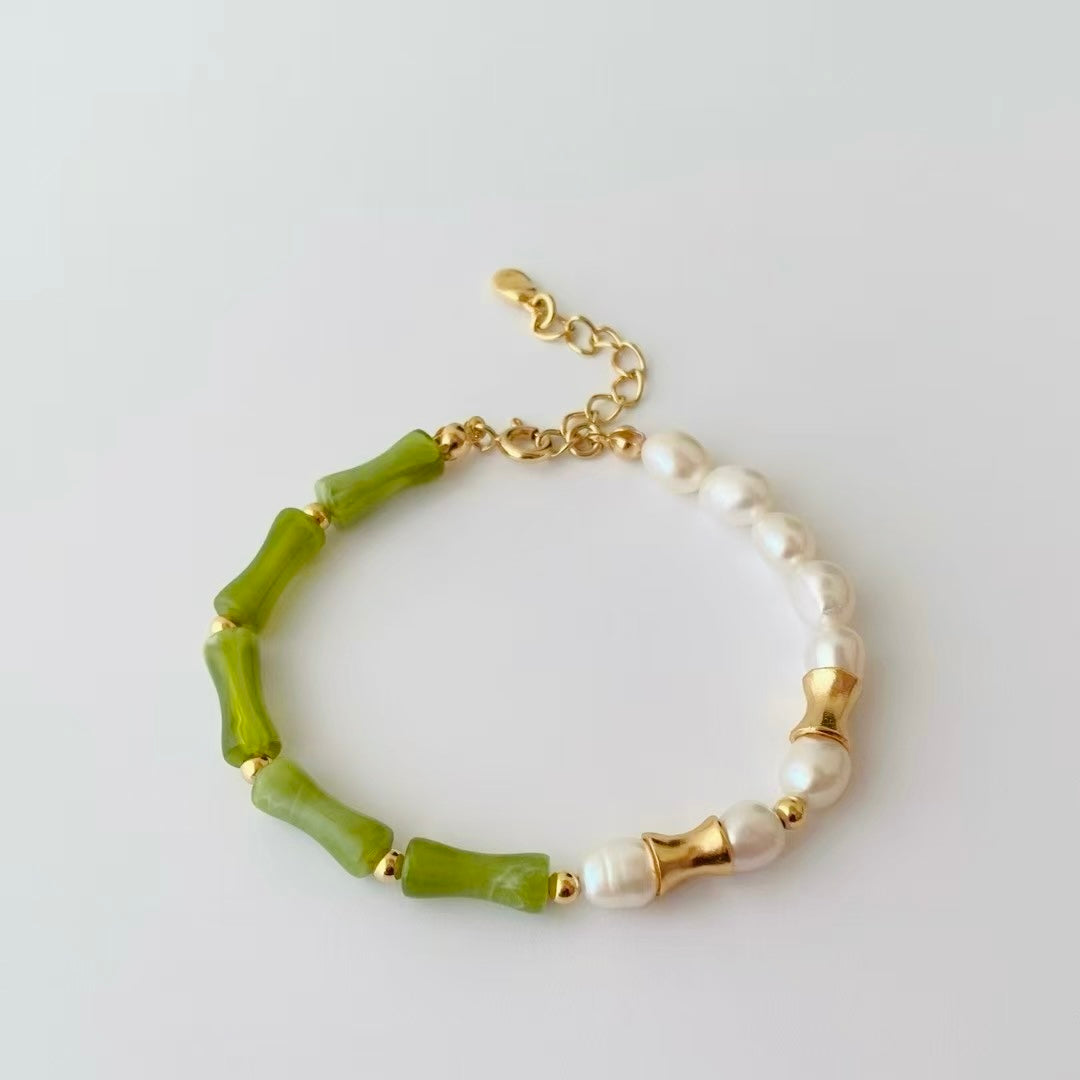
High-luster pearl bracelets draw attention through their sharp, mirror-like sheen, which shifts and glows with every small movement of the wrist. This luminous quality comes from a tightly packed, ultra-smooth nacre surface that reflects light evenly across every curve, but it is also far more sensitive to subtle abrasions, chemical contact, and uneven wear that can break its flawless reflective finish. Even small, seemingly harmless daily habits can gradually dull that signature glow if you do not follow care practices tailored specifically to polished, high-luster pearl structures.
How Daily Contact Gradually Alters The Polished Nacre Surface
High-luster pearls have a compact, glassy outer nacre layer that is buffed to an extremely fine, uniform finish, so even tiny rough particles trapped against the surface can create micro-scratches that scatter light instead of reflecting it cleanly. Skin oils, sweat, and thin layers of cosmetic or sunscreen residue build up on this smooth surface over hours of wear, forming a faint transparent film that softens the sharp, bright reflection you expect from polished pearls. Unlike matte pearls, where residue settles into existing micro-grooves, high-luster pearls show even the thinnest film as a visible, hazy patch that makes the whole bracelet look less vibrant, and accidental contact with rough fabric edges or hard surfaces can leave faint permanent marks that stand out against the otherwise perfect sheen.
Immediate Post-Wear Cleaning To Lock In Bright Reflection
As soon as you take the bracelet off at the end of each wear session, run a clean, unused microfiber cloth gently across every pearl in long, even, single-direction strokes. Do not apply extra pressure, because pressing too hard while wiping can create faint, uneven friction marks that catch light at odd angles and break the uniform glow. If you wore the bracelet through a warm day with heavy perspiration or after applying perfume, breathe a very light, soft puff of natural moisture onto the cloth before wiping, then follow up immediately with a second dry section of the same cloth to remove any remaining trace of dampness. This quick, consistent routine lifts surface residue before it can harden into a stubborn film that dulls the polished finish over repeated wears.
Targeted Care For Faint Haze And Minor Surface Marks
When you notice that the pearls no longer reflect light as sharply as they once did, or that faint cloudy patches appear even after regular daily wiping, prepare a small amount of lukewarm purified water with a single drop of extremely mild, unscented soap that contains no added abrasives or brightening agents. Dip the very tip of a soft cotton cloth into the mixture, squeeze it completely dry until no moisture can transfer to your fingertips, then gently stroke each pearl one at a time with slow, light motions. Never rub back and forth across the same spot repeatedly, and never allow the bracelet to sit submerged in any liquid, because excess moisture can work its way into tiny unseen gaps in the nacre and leave faint, permanent water rings that ruin the smooth reflective surface. Once you have gone over every pearl, wipe the entire piece again with a separate clean cloth dampened only with plain purified water, then set it on a flat, soft surface away from direct sunlight to air dry fully before you put it away.
Storage Rules That Prevent Unnecessary Abrasion And Luster Loss
Never lay your high-luster pearl bracelet directly in a shared jewelry tray with metal pieces, faceted stones, or any other accessories that have hard, sharp, or rough edges. Even gentle jostling inside a crowded bag or jewelry case can create tiny, almost invisible scratches that disrupt the polished nacre and break the clean, bright reflection. Keep the bracelet stored separately, laid flat inside a smooth, soft fabric pouch that blocks out fine airborne dust particles that would otherwise settle on the surface and create light abrasion over time. Avoid placing the pouch near bathroom vanities, dressing tables with open perfume bottles, or heating and cooling vents, where consistent exposure to chemical fumes, rapid temperature shifts, or dry circulating air can slowly break down the tight, smooth nacre structure that gives these pearls their signature luminous glow.