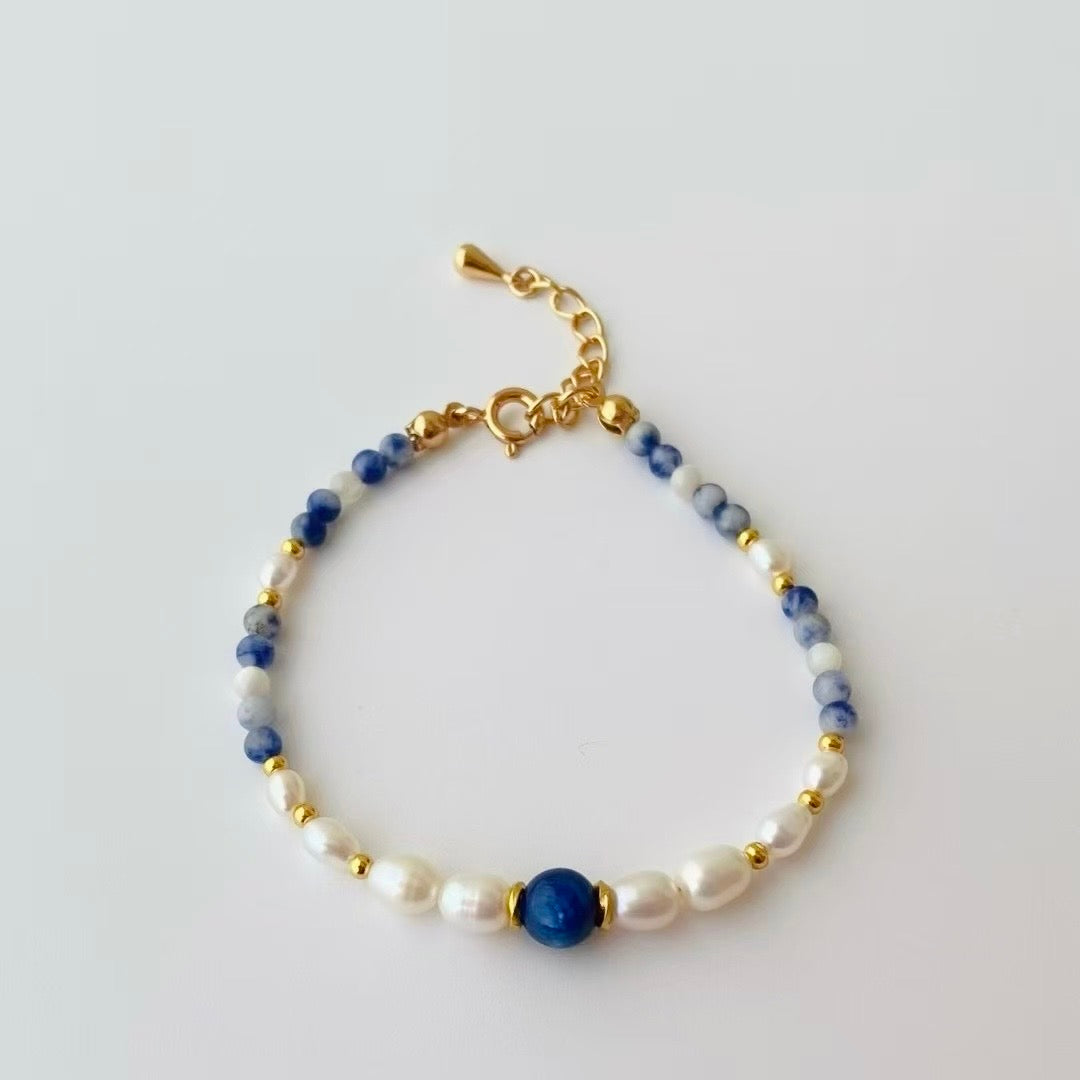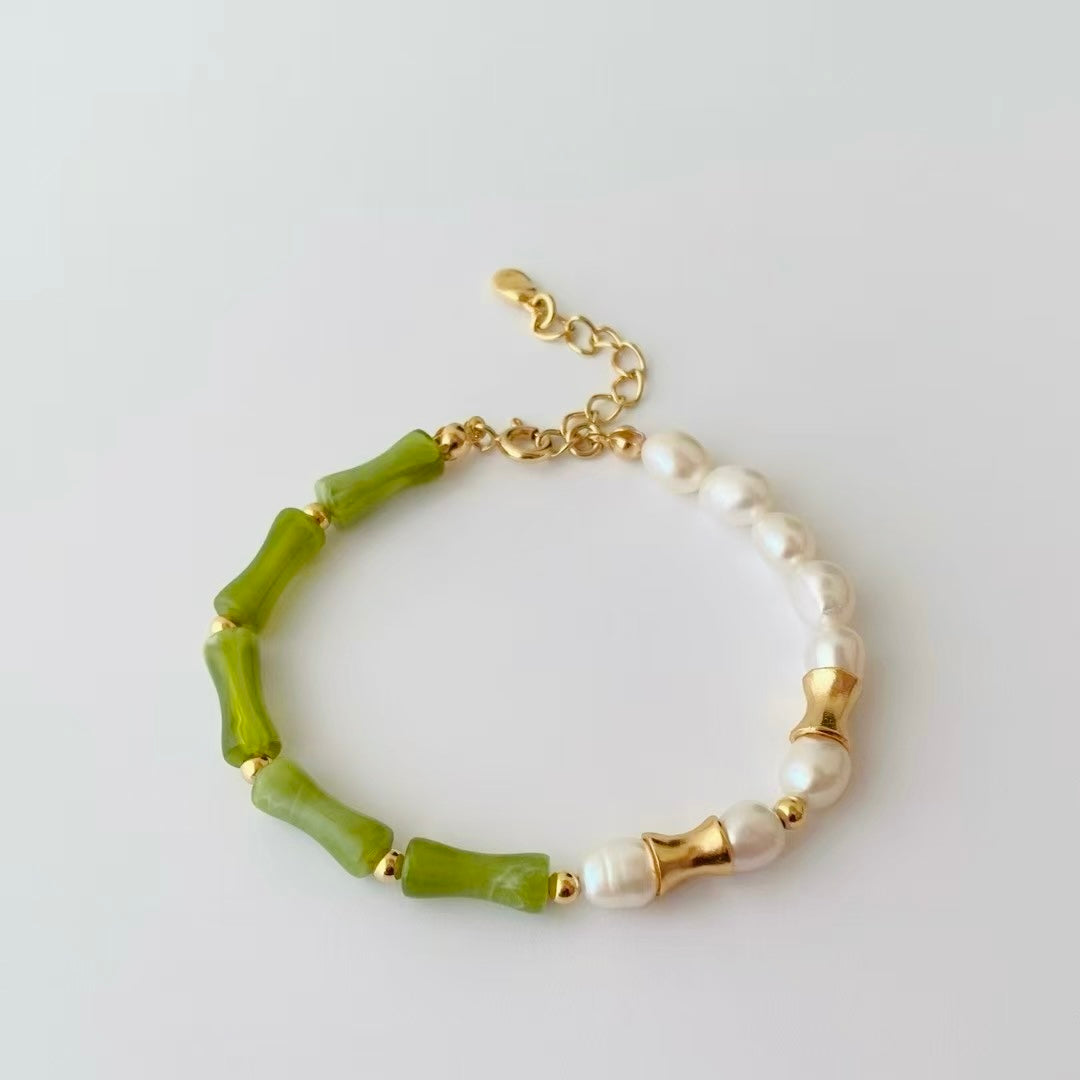
Maintenance and repair for worn beads of the pearl bracelet
Pearl bead surface abrasion is one of the most common issues that develops after months or years of regular daily wear, even when basic care habits are followed consistently. The thin layered nacre structure on each pearl bead can develop faint scuffs, matte patches, and subtle surface scratches from repeated contact with clothing fabric, hard surfaces, and everyday friction that accumulates slowly over time. Many people notice this change when their pearl bracelet no longer catches light the way it did when new, even after a standard soft cloth wipe that removes surface dust and skin oils.
First-step assessment for worn pearl bead surfaces
Before attempting any remedial action, you need to examine each pearl bead closely under soft natural light to map out the exact condition of the abrasion. Run a clean, dry fingertip very gently across the surface of every bead to feel for raised scratch edges or rough patches that do not belong to the pearl’s original smooth texture. Separate beads that only show faint matte dulling from those with visible deep scratches or worn spots where the outer nacre layer has thinned noticeably, as these two different conditions require completely different handling approaches. Avoid touching the worn areas with bare fingers for long periods during this check, since extra skin oil and salt from perspiration can settle into the fine scratch lines and make later cleaning steps less effective.
Gentle surface conditioning for light abrasion and matte dullness
For pearl beads that only show faint scuff marks and lost luster without deep damage, you can use a soft, lint-free natural wool cloth to perform a slow, controlled conditioning process. Lay the fully dried pearl bracelet flat on a clean, soft fabric surface, then wrap one pearl bead at a time inside the folded wool cloth, applying very light, even pressure with your fingertips to move the cloth in small circular motions across the worn area. Keep each motion slow and consistent, and do not apply extra force that could wear away more of the delicate nacre layer underneath. After working across every lightly abraded bead, set the bracelet in a cool, shaded space for several hours to let the subtle natural oils from the wool settle evenly across the conditioned surface.
Intermediate care steps for moderate surface wear
When pearl beads show more distinct matte patches and fine, visible scratches that do not cut all the way through the nacre layer, you can use a diluted neutral conditioning solution to support surface recovery. Prepare a small amount of room temperature purified water mixed with a tiny drop of pH-balanced, fragrance-free mild cleanser that contains no abrasive particles, then dip a corner of a very soft microfiber cloth into the mixture and wring it out completely until the cloth feels almost dry. Wipe each worn pearl bead slowly in one single direction across the scratched area, then follow immediately with a second dry section of the same cloth to wipe away all residual moisture right away. Never leave the damp cloth resting on the pearl surface for more than a few seconds, as prolonged exposure to even mild moisture can seep into fine scratch lines and cause hidden damage to the inner nacre structure.
Preventive habits to avoid recurring abrasion after treatment
Once you have addressed existing wear on your pearl bracelet beads, small daily adjustments will help keep the surface smooth and preserve the restored luster for much longer. Store the bracelet in its own separate soft fabric pouch when you are not wearing it, so it never comes into contact with harder jewelry pieces, metal clasps, or rough fabric edges that can create new scuff marks. Get into the habit of putting your pearl bracelet on last after you finish dressing, applying cosmetics, and spraying any fragrance, so the beads do not rub against zippers, belt buckles, or treated fabric surfaces during your daily routine. When you take the bracelet off at the end of the day, wipe every bead gently with a dedicated soft cleaning cloth before placing it into storage, to remove all traces of dust, skin oil, and tiny abrasive particles that settled on the surface throughout the day.
Q: Can deep scratches on pearl beads be fully removed through home care steps?
A: Deep scratches that penetrate far into the nacre layer cannot be fully eliminated with at-home conditioning, and attempting aggressive polishing at home will only wear away more of the remaining delicate pearl surface.
Q: Is it safe to use common jewelry polishing cloths on worn pearl beads?
A: Most standard jewelry polishing cloths contain mild abrasive compounds designed for metal surfaces, and these compounds will create even more fine scratches across the soft pearl nacre, so they should never be used on pearl jewelry.
Q: How often should you perform light conditioning on pearl beads to prevent noticeable abrasion from building up?
A: A gentle conditioning pass with a soft natural wool cloth once every one to two months, depending on how frequently you wear the bracelet, will help keep minor surface scuffs from accumulating into visible dull patches.