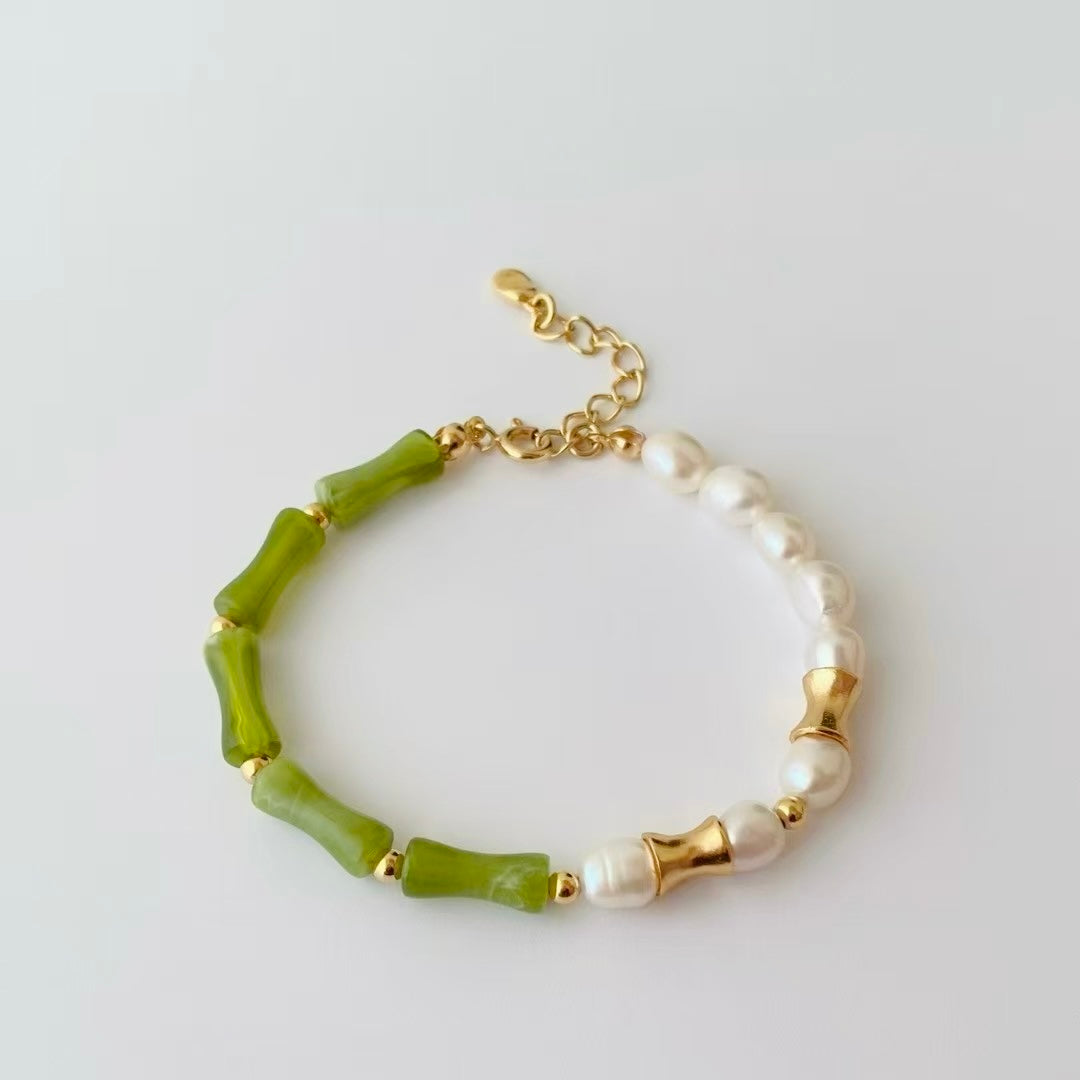
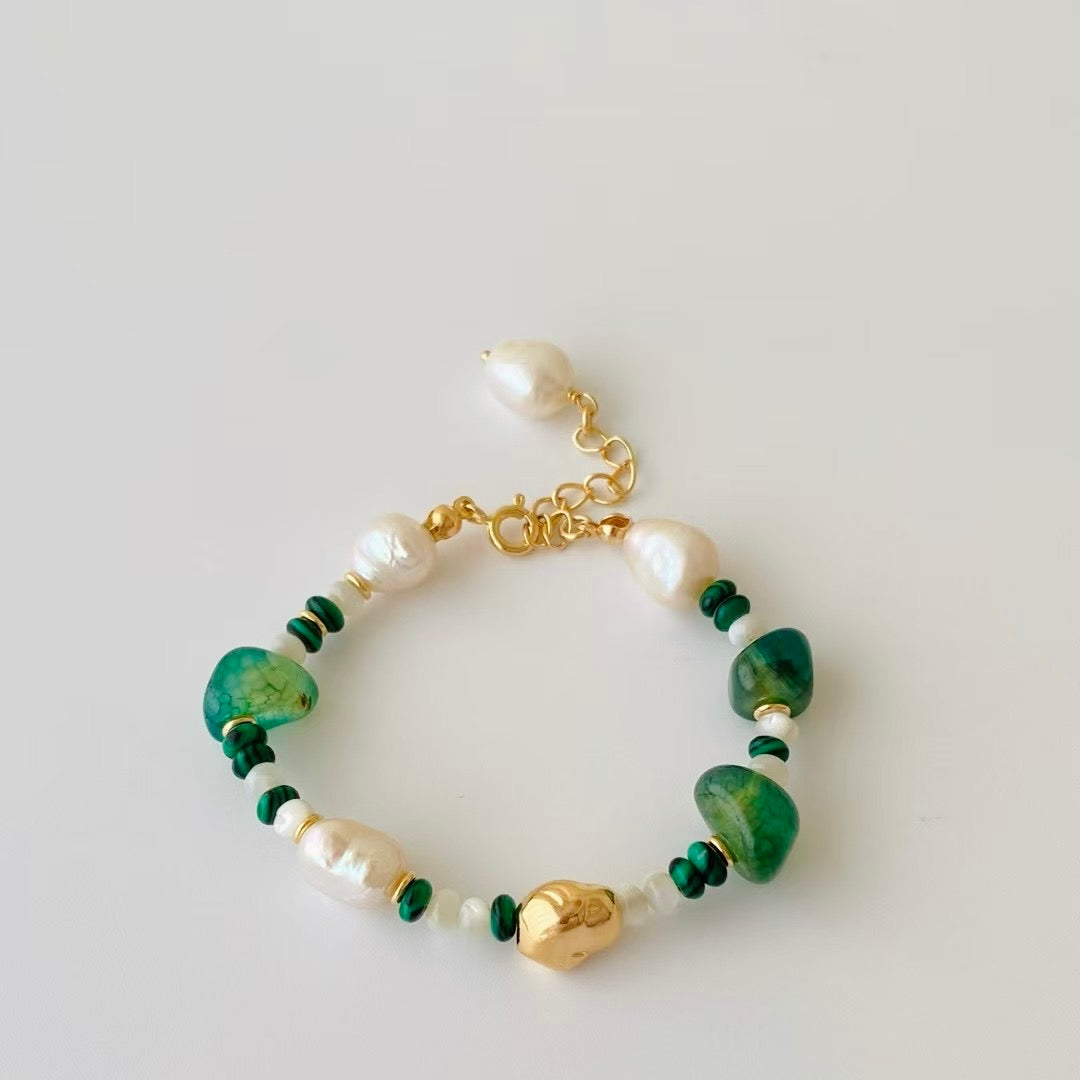
Key Points for Customizing the Size of Pearl Bracelets
Custom Pearl Bracelet Sizing: What Most People Get Wrong Before They Order
Custom sizing sounds simple until you actually sit down and try to get it right. A millimeter off and the whole thing feels wrong on your wrist. This is not like buying a t-shirt where you can just size up or down. Pearls have weight, they have shape, and they interact with your skin in ways that off-the-rack sizes never account for. If you are getting a pearl bracelet made to your exact measurements, there are a few things you need to lock in before you hand over your wrist size.
Your Wrist Is Not a Fixed Number
Here is something most people miss the first time. Your wrist circumference changes throughout the day. It swells in the morning, shrinks at night, and expands again when your hands are warm. A study published in the Journal of Hand Therapy measured wrist circumference across 200 adults and found an average fluctuation of 0.5 to 1.2 cm depending on time of day, activity level, and even hydration.
So when you measure for a custom bracelet, do not do it right after waking up or right after a hot shower. The best time is mid-afternoon, when your body has settled into its daily rhythm. Wrap a soft tape measure around the narrowest part of your wrist, about one finger width below the wrist bone. Keep the tape flat against the skin but do not press into it. That number is your baseline.
For custom work, always give your jeweler the larger number if you fall between two sizes. It is easier to take a bracelet in than to stretch one out. Pearls do not stretch. The cord does, but only so much before it loses its shape permanently.
How Pearl Size Changes Your Ideal Bracelet Length
This is where custom sizing gets interesting and where most people make a mistake. The same wrist measurement will need a different bracelet length depending on whether you are using 4 mm pearls or 9 mm pearls.
Small Pearls Need Less Extra Length
When you are working with pearls in the 3 to 5 mm range, the bracelet sits close to the skin. There is not much bulk pushing outward. You can get away with adding just 1 to 1.5 cm to your wrist measurement. The pearls lie flat and follow the curve of your wrist naturally. Adding too much extra length here makes the bracelet look sloppy and it will spin around on your wrist all day.
Large Pearls Demand More Room
Jump up to 7 mm or 8 mm pearls and the math changes completely. Each pearl adds physical volume that pushes the bracelet away from your skin. You need 2 to 3 cm of extra length to account for that. Without it, the bracelet will feel tight even if the measurement is technically correct. The pearls will dig in, and over time they can develop hairline cracks from constant pressure against each other.
Mixed Sizes Require a Compromise
If you are going with a graduated design where pearls go from small to large, measure for the largest pearl in the set. Then add 2.5 cm to your wrist size. This gives enough clearance for the big end while keeping the small end from looking too loose.
The Knot and Clasp Eat Up Space Too
People focus so much on the pearls that they forget about the hardware. A standard knot between pearls takes up about 3 to 4 mm of space. A lobster clasp adds another 8 to 12 mm depending on the style. A magnetic clasp is thinner but still consumes roughly 5 mm.
When you are ordering custom, ask your jeweler to include the clasp length in the total bracelet measurement. Some makers quote the length without the clasp, which means you end up with a bracelet that is shorter than you expected. Always confirm whether the stated length includes everything from end to end.
If you are using a stretch cord instead of a clasp, factor in about 1 cm of elastic give. Stretch cord bracelets should sit about 1 to 1.5 cm smaller than a clasped version because the elastic does the work of adjusting the fit. But do not make it too tight. Elastic degrades over time, and a bracelet that fits perfectly when new can become painfully snug within six months.
Where the Bracelet Sits on Your Wrist Changes the Fit
A custom bracelet is not just about length. It is about placement. The sweet spot is roughly 1.5 cm above the wrist bone, in the soft area where there are no tendons shifting around. If you place it right on top of the bone, it will slide down every time you move your hand. Too high and it looks awkward and catches on sleeves.
When you are getting a custom piece made, specify exactly where you want it to sit. Some people prefer it lower, near the hand, for a more relaxed look. That works fine with smaller pearls but can look heavy with larger ones. A good rule: the bigger the pearl, the higher on the wrist it should sit. This keeps the visual weight balanced and prevents the bracelet from rolling toward your hand.
One Trick to Avoid Coming Back for Adjustments
Before you finalize your custom order, do the finger test. Put the bracelet on, make a loose fist, and try to slide your pinky finger between the bracelet and your skin. If it fits with slight resistance, you are in the right zone. If it slides in with no resistance at all, the bracelet is too loose. If you cannot get your pinky in at all, it is too tight.
This test works because your pinky is roughly the same width as the gap you need for comfortable daily wear. It accounts for swelling, movement, and the fact that you will be wearing this thing for hours at a time, not just standing still in a mirror.
One more thing. If you are between sizes and you plan to wear the bracelet every day, go with the slightly larger option. Your wrist will thank you in six months when the elastic has relaxed just enough to make it perfect. Going too small is a one-way street with pearl bracelets. There is no stretching them back out without risking the cord or the pearls themselves.