How to store a pearl bracelet when it has not been worn for a long time?
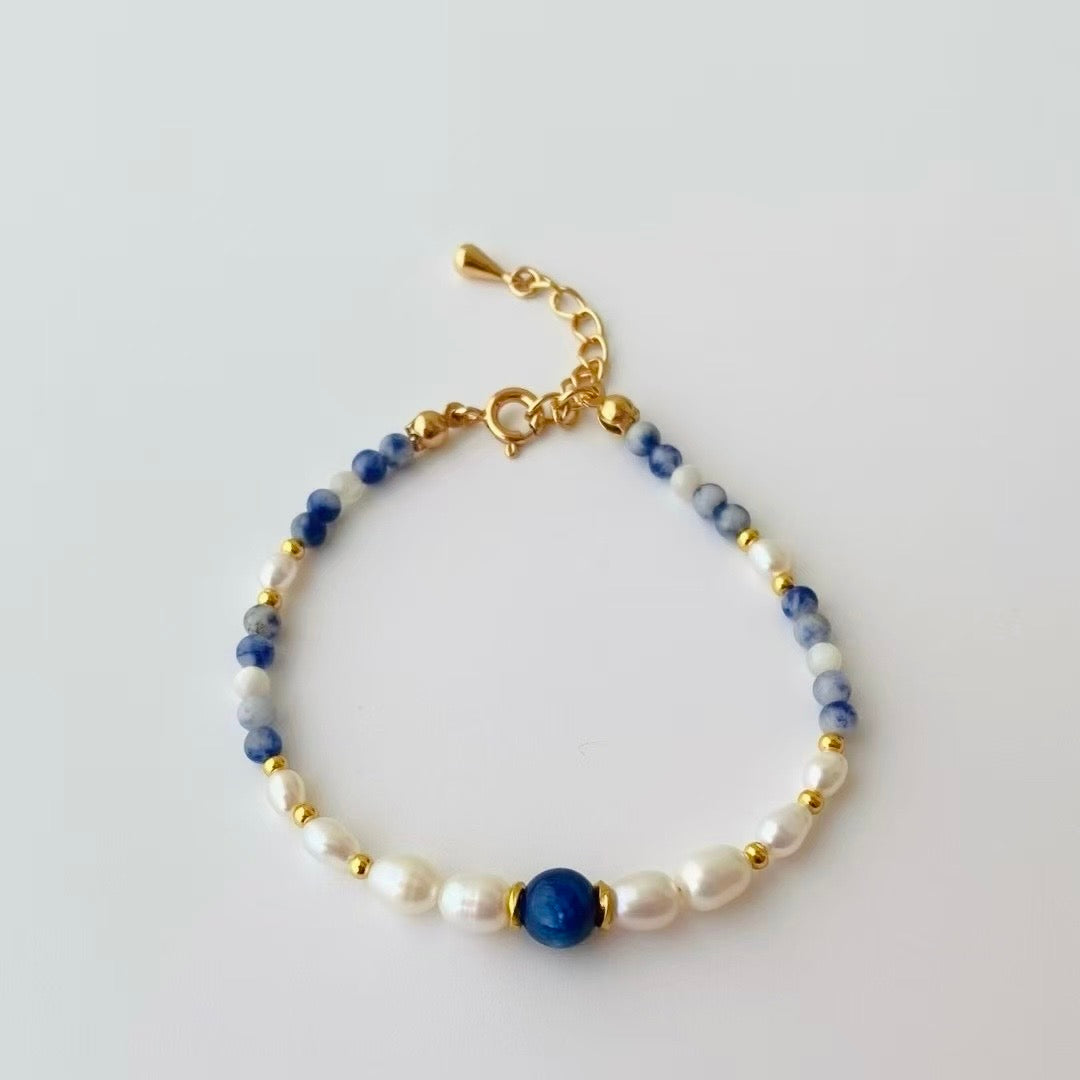
When you plan to set your pearl bracelet aside for weeks or even months at a time, casual storage habits that work for short daily use can lead to hidden, long-term damage you might not notice until you pick it up again. Pearls hold a delicate organic structure that needs gentle, intentional care during extended storage, to keep their natural luster intact and avoid unnecessary wear before you wear them next.
Pre-Storage Full Cleaning and Drying
Before you tuck the bracelet away for long-term storage, go through a gentle full cleaning step to remove every trace of leftover residue. Wipe each pearl slowly with a soft, lint-free cotton cloth lightly dampened with lukewarm plain water, making sure to reach the small gaps around the string holes where hidden skin oils and dust often build up. Do not submerge the entire bracelet in water, as trapped moisture can get stuck inside the pearl layers and weaken the inner thread over time. After wiping, lay the bracelet flat on a dry soft cloth in a cool, shaded spot away from direct heat, and let it air dry completely for at least 30 minutes. Double check that no part of the pearls or the thread feels damp before you move on to the next step.
Prep the Bracelet for Extended Rest
Lay the fully dry bracelet in a loose, relaxed shape, never twist it into a tight coil or fasten the clasp under tension. Long-term pressure on the thread can stretch the fibers unevenly, leading to loose gaps between pearls or unexpected fraying months later. Wrap the entire piece gently in a clean, soft cotton cloth or a smooth, lint-free fabric layer, to add a light buffer against accidental friction. Do not seal the wrapped bracelet in fully airtight plastic bags, as this can trap small amounts of residual moisture and create a stale environment that dulls the nacre. A loosely closed fabric wrap lets tiny amounts of fresh air circulate, which keeps the pearls from drying out too quickly.
Choose the Right Stable Storage Location
Pick a spot with consistent, mild temperature and low, steady humidity, away from sudden changes in environment. Avoid placing the stored bracelet near heating vents, direct sunlight through windows, bathroom cabinets with frequent steam, or enclosed dry storage areas that pull moisture out of the air. These extreme conditions can make the pearls lose their natural internal moisture, leading to faint surface cracks or a chalky, dull look over time. Keep it separate from other hard jewelry pieces, so no sharp edges or rough gemstones can press against the wrapped pearls and leave unseen scratches during the long rest period.
Scheduled Check-Ups During Long Storage
Set a simple reminder to take the bracelet out of storage every two to three months. Unwrap it gently, lay it on a clean soft cloth, and let it sit in soft, indirect room light for an hour or two. Run a clean dry cloth lightly over each pearl, and check the thread to make sure no fraying or uneven stretching has happened. This small routine lets the pearls get fresh air, prevents the thread from staying under constant unused tension for too long, and gives you a chance to catch any tiny issues before they turn into permanent damage. After the quick check, re-wrap it the same loose way and place it back in its stable storage spot until you are ready to wear it again.