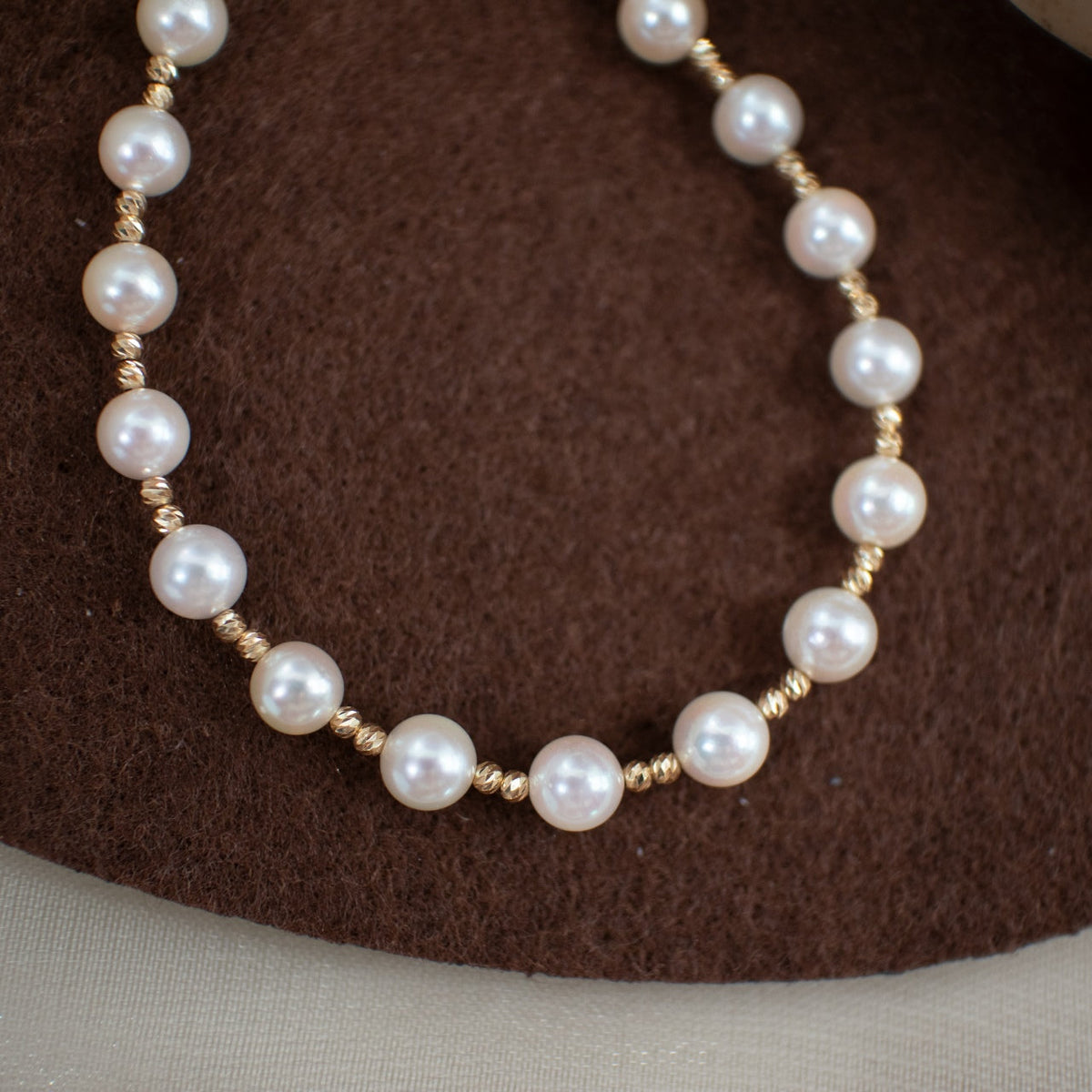
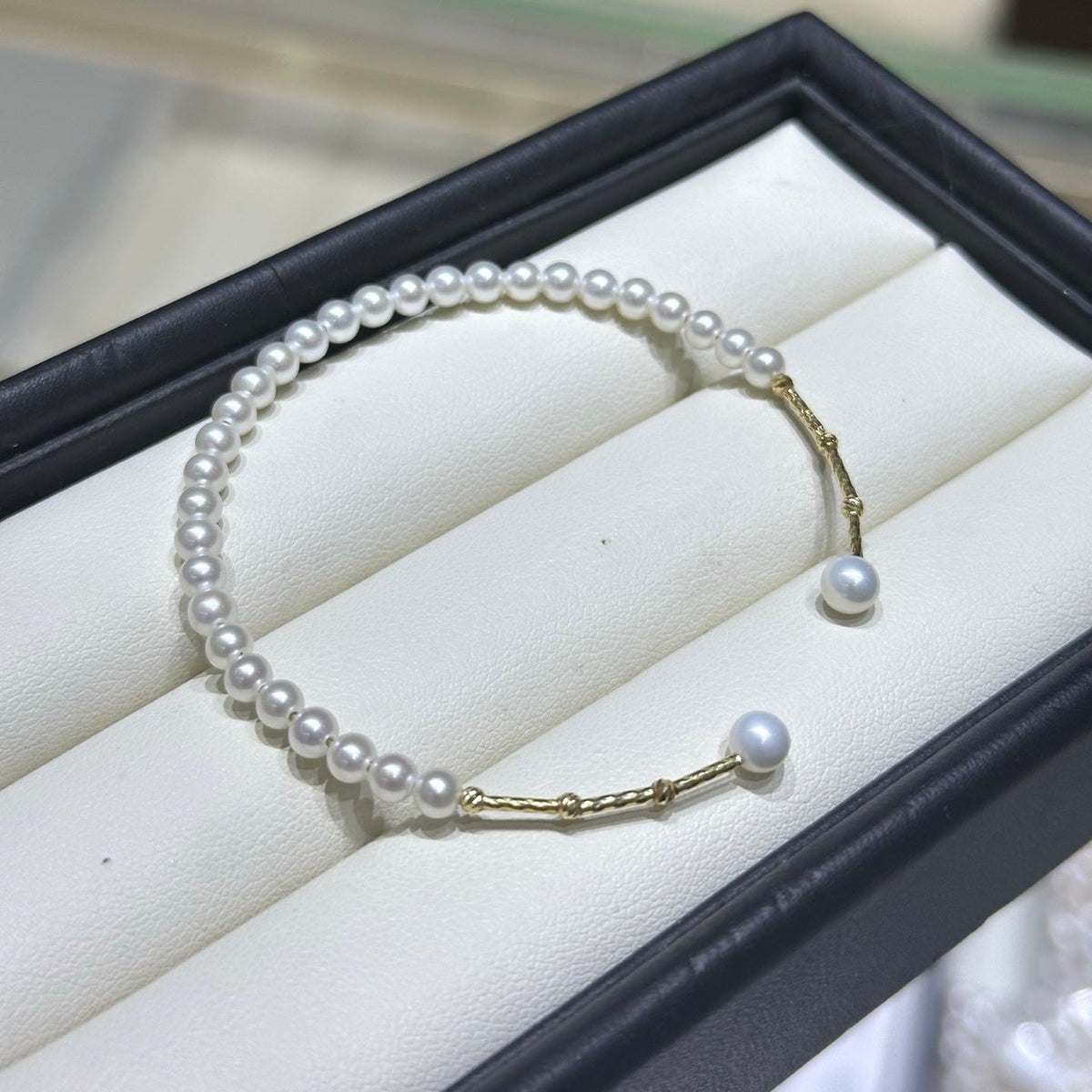
How to choose the right pearl bracelet for the target audience?
How to Pick the Right Pearl Bracelet for Every Person: A No-Nonsense Guide
Buying a pearl bracelet sounds simple. Pick one that looks good, put it on, done. But the pearl that looks amazing on your friend might look wrong on you. The style that works for a young woman might look ridiculous on a man. Pearls are not one-size-fits-all. They respond to skin tone, wrist size, lifestyle, age, and even personality.
Choosing the right bracelet for the right person is not about finding the most expensive option. It is about matching the pearl to the person wearing it. Get that match right and the bracelet looks like it was made for them. Get it wrong and even a high-quality pearl looks out of place.
Matching Pearls to Skin Tone
Warm Skin Tones Look Best With Cream and Golden Pearls
If your skin has yellow, peach, or golden undertones, you are warm-toned. You tan easily, your veins look greenish, and gold jewelry suits you better than silver.
For warm skin, go with pearls that have a cream, champagne, or golden overtone. These pearls blend with your skin instead of clashing against it. A white pearl with a pink overtone can look harsh on warm skin — it creates a contrast that draws attention to the bracelet instead of making it look natural.
Golden South Sea pearls and cream-colored freshwater pearls are ideal choices here. They warm up your wrist and make your skin look healthier. Avoid pearls with blue or silver overtones — they will make your skin look sallow.
Cool Skin Tones Shine With White and Pink Pearls
Cool skin has pink, red, or blue undertones. You burn easily, your veins look bluish, and silver jewelry flatters you more than gold.
White pearls with a pink or rose overtone are your best match. They complement the cool pink in your skin and create a soft, cohesive look. A white pearl with a silvery luster on a cool-toned wrist looks absolutely stunning — almost ethereal.
Akoya pearls with a rose overtone work beautifully here. White freshwater pearls with a slight pink blush are also a great pick. Stay away from heavy golden or cream pearls — they will look muddy against your skin.
Neutral Skin Tones Can Wear Almost Anything
If you are lucky enough to have neutral skin — a mix of warm and cool undertones that does not lean strongly either way — you have the most flexibility. Most pearl colors will work on you.
But even neutral skin benefits from intention. If you want the bracelet to stand out, go with a high-luster white pearl. If you want it to blend in subtly, choose a cream or light pink pearl. Neutral skin is forgiving, so use that freedom to match the pearl to your outfit or occasion instead of worrying about clashing.
Choosing By Age and Life Stage
Young Women and First-Time Buyers
A first pearl bracelet does not need to be expensive or formal. Young women often go wrong by picking something too stiff or too classic — a perfect strand of large white pearls that looks like it belongs to their grandmother.
Start small. A delicate bracelet with smaller pearls, maybe 6 to 7 millimeters, in a slightly off-round or baroque shape looks modern and fresh. Freshwater pearls in soft pastel colors — lavender, peach, light pink — add personality without looking overly formal.
Mix in a simple metal chain or a small charm if the design allows it. Pure pearl strands on a young wrist can read as too mature. A little metal mixed in keeps the vibe contemporary.
Women in Their 30s and 40s
This is the sweet spot for pearl bracelets. Women in this age range usually have a clear sense of their style and want something that elevates their everyday look without trying too hard.
A classic strand of round pearls in the 7 to 9 millimeter range works perfectly. The color should match their skin tone — cream for warm, white for cool. Luster matters more here than size. A smaller pearl with intense glow looks more expensive than a large dull one.
This is also the stage where quality starts to matter more. Invest in better nacre thickness and surface quality. The bracelet will be worn daily, and cheap pearls will show wear fast.
Women Over 50
Many women over 50 assume they should only wear large, bold pearls. That is a myth. Large pearls can look heavy and overwhelming on a smaller wrist or a more petite frame.
The real key at this stage is luster and elegance. A strand of medium-sized pearls — 8 to 10 millimeters — with exceptional glow looks regal without being loud. South Sea pearls or high-quality Akoya pearls in classic white or cream are timeless choices.
If the wrist is thinner, go with slightly smaller pearls so the bracelet does not overwhelm the hand. If the wrist is fuller, larger pearls balance the proportions nicely.
Picking By Lifestyle and Daily Use
The Active Person Who Does Not Take Jewelry Off
Some people wear their bracelets everywhere — gym, garden, kitchen, shower. If that is the person you are buying for, do not give them a delicate strand with silk threading. It will break within a month.
Go with a bracelet strung on wire or strong nylon cord. The pearls can be slightly smaller so they do not catch on things. Baroque or semi-round pearls are more forgiving than perfectly round ones — they hide minor scratches and dings better.
Avoid pearls with thin nacre. Active people knock their bracelets against everything. Thick-nacred pearls survive that abuse. Freshwater pearls tend to have thicker nacre than Akoya pearls, making them more durable for daily wear.
The Office Worker Who Wants Something Subtle
For someone who wears a bracelet to work every day, the goal is understated elegance. Nothing that clinks, nothing that catches every eye in the room.
Small pearls — 5 to 7 millimeters — in a classic white or cream color work best. A single strand is cleaner than multiple strands. Avoid large statement pearls or flashy clasps. A simple magnetic clasp or a small lobster claw in matching metal keeps the look professional.
The pearl should complement a blazer or a blouse, not compete with it. Think of the bracelet as a quiet accent, not a centerpiece.
The Person Who Dresses Up for Events
Evening wear calls for something different. This is where you can go bigger, bolder, and more dramatic.
Large pearls — 10 millimeters and up — in deep colors like black, gold, or dark peach make a statement. A multi-strand bracelet or a pearl-and-metal combination adds visual weight that matches a formal outfit.
Luster is everything here. Under event lighting, a dull pearl looks dead. A high-luster pearl catches every bit of light and glows. Spend more on luster than on size if you have to choose.
Matching By Wrist Size and Hand Shape
Small Wrists Need Smaller Pearls
A common mistake is putting large pearls on a small wrist. The pearls dominate the hand and make the wrist look even smaller.
For wrists under 6.5 inches, stick to pearls in the 5 to 7 millimeter range. A delicate single strand sits beautifully without overwhelming the frame. If the person wants something with more presence, go with multiple thin strands instead of one thick strand.
Larger Wrists Can Handle Bigger Pearls
Wrists over 7.5 inches can carry larger pearls without looking unbalanced. Pearls in the 9 to 12 millimeter range look proportional on a larger wrist.
But do not assume bigger is always better. A huge pearl on a large wrist can look chunky if the rest of the outfit is delicate. Match the pearl size to the overall style — bold pearls with bold outfits, smaller pearls with softer looks.
Hand Shape Affects Bracelet Fit
Long, slender fingers look great with a single strand that sits close to the wrist. Short fingers benefit from a bracelet that sits slightly lower on the hand — it creates the illusion of length.
For broader hands, avoid bracelets that are too tight. A slightly loose fit with a bit of movement looks more comfortable and more elegant than a bracelet that squeezes the wrist.
Picking For Men
Men can wear pearl bracelets and they look good when done right. The key is restraint. Men should avoid anything that looks overtly feminine — no pink overtones, no tiny delicate strands, no floral clasps.
Go with larger pearls in the 10 to 14 millimeter range. Black pearls, gray pearls, or white pearls with a silver overtone work best. A single strand with a simple metal clasp in gunmetal, titanium, or matte black keeps the look masculine.
Baroque pearls are a great choice for men because they look organic and rugged rather than polished and precious. A bracelet of irregular dark pearls on a man's wrist looks intentional and stylish, not accidental.
Picking For Gifts Without Knowing Their Style
When You Have No Idea What They Like
If you are buying for someone and you know nothing about their jewelry preferences, play it safe. A classic white or cream pearl strand in the 7 to 8 millimeter range with a simple silver or gold clasp works on almost everyone.
White is the most universally flattering color. Cream is a close second. Avoid pink, purple, or black unless you know the person loves those colors.
Round pearls are the safest shape. They are timeless and match every style. Baroque pearls are trendy but polarizing — some people love them, some people think they look uneven.
When You Know Their Style But Not Their Size
Buy adjustable. A bracelet with a sliding knot or an extension chain lets the wearer customize the fit. This works for almost any pearl size and almost any wrist size.
If the bracelet has a clasp, make sure it is easy to operate. A lobster claw clasp is universal. A toggle clasp looks nice but can be fiddly. For a gift, prioritize ease of use over aesthetics.