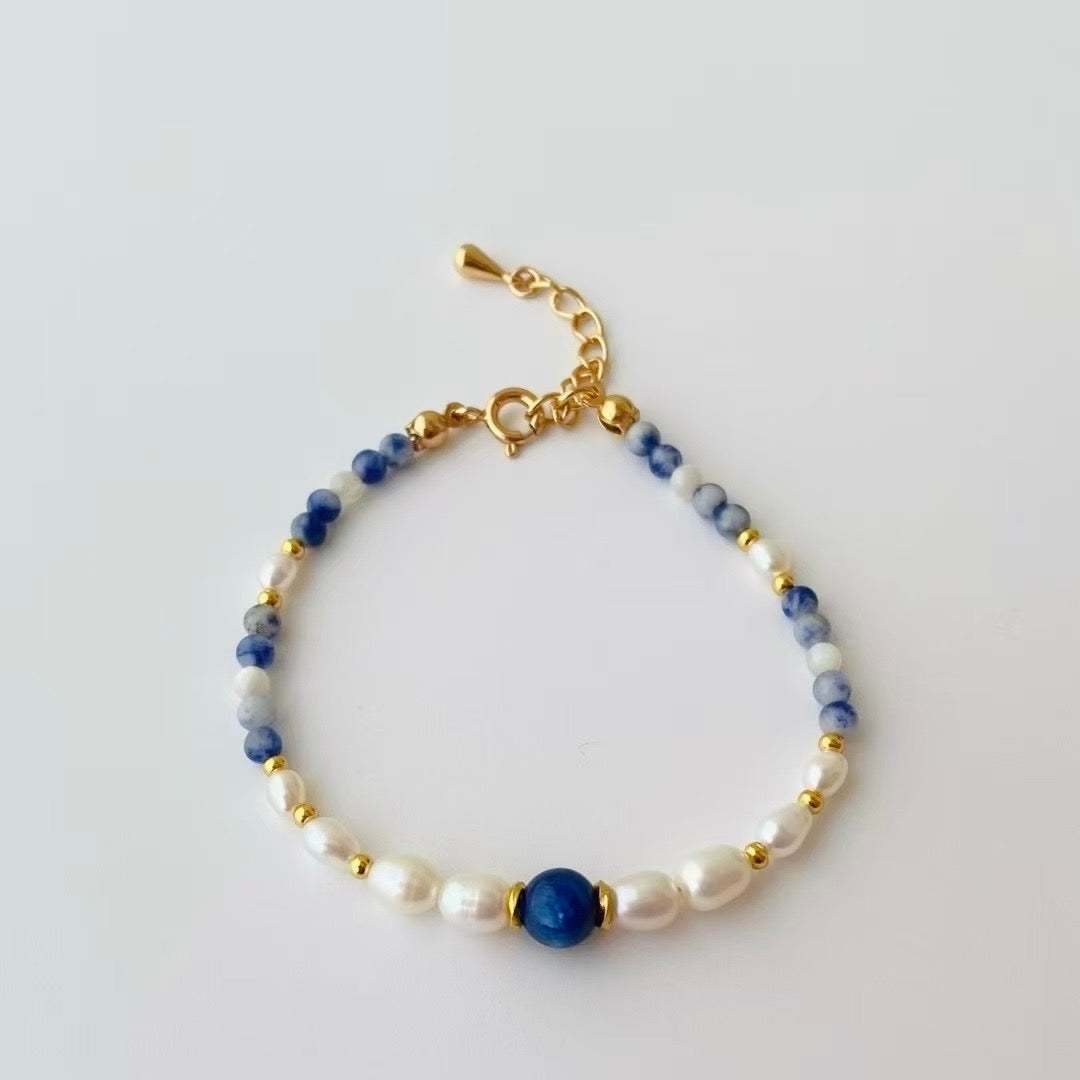
Essential Knowledge for Selecting and Maintaining Pearl Bracelets for Beginners
Essential Buying and Care Tips for New Pearl Bracelet Owners
Pearls are one of the few organic gemstones used in jewelry, and their soft, porous structure makes them far more delicate than most people expect. For new owners, a small mistake during daily wear or cleaning can dull their luster, scratch their surface, or even weaken the bracelet’s core structure beyond repair. Understanding how to select a well-made piece and care for it properly from day one helps preserve its natural beauty and keep it in good condition for years of regular use.
Key quality checks before you buy
Before you bring a new pearl bracelet home, take a close look at several critical details that determine its long-term durability. First, examine the surface of each pearl under soft, natural light. High-quality pieces have a smooth, even luster that glows from within, not just a flat, artificial shine on the surface. Avoid pieces with deep, visible cracks or uneven peeling layers on the pearl surface, as these flaws will expand quickly with regular wear and eventually break the pearl apart. Next, check how the pearls are strung. A well-made bracelet uses multiple knots between each pearl, so even if the cord breaks, only one pearl will fall off instead of the entire strand spilling across the floor. Finally, test the clasp or closure mechanism to make sure it locks securely and does not catch or pull on the pearls when you open and close it.
Daily wear habits to prevent accidental damage
The most common pearl bracelet damage happens during normal daily activities, not from rare accidents. Always put your pearl bracelet on last, after you have finished applying makeup, hairspray, perfume, and lotion. Many common personal care products contain chemicals that can seep into the pearl’s porous surface, erode its outer nacre layer, and turn its bright luster dull over time. Never wear the bracelet while doing housework, exercising, swimming, or washing your hands. Harsh cleaning chemicals, pool chlorine, and even sweat can stain or etch the pearl surface. When you take it off, do not toss it into a jewelry box with harder metal pieces or gemstones that can scratch the soft pearl surface. Store it separately in a soft, lined pouch or compartment where it will not rub against other jewelry.
Gentle cleaning and routine maintenance
Cleaning a pearl bracelet the wrong way can do more harm than good, so avoid harsh methods that work for other types of jewelry. Do not use ultrasonic cleaners, steam cleaners, or abrasive jewelry polishing cloths, as these can scratch, crack, or completely strip away the delicate outer nacre layer. Instead, wipe each pearl gently after every few wears with a soft, lint-free cotton cloth that is slightly dampened with pure, warm water. Let the bracelet air dry completely on a soft towel before you store it away. Every few months, inspect the bracelet’s stringing cord or closure for signs of fraying, stretching, or wear. If you notice the cord feels loose or the knots are starting to slip, take it to a professional jeweler to restring or repair it before it breaks unexpectedly.