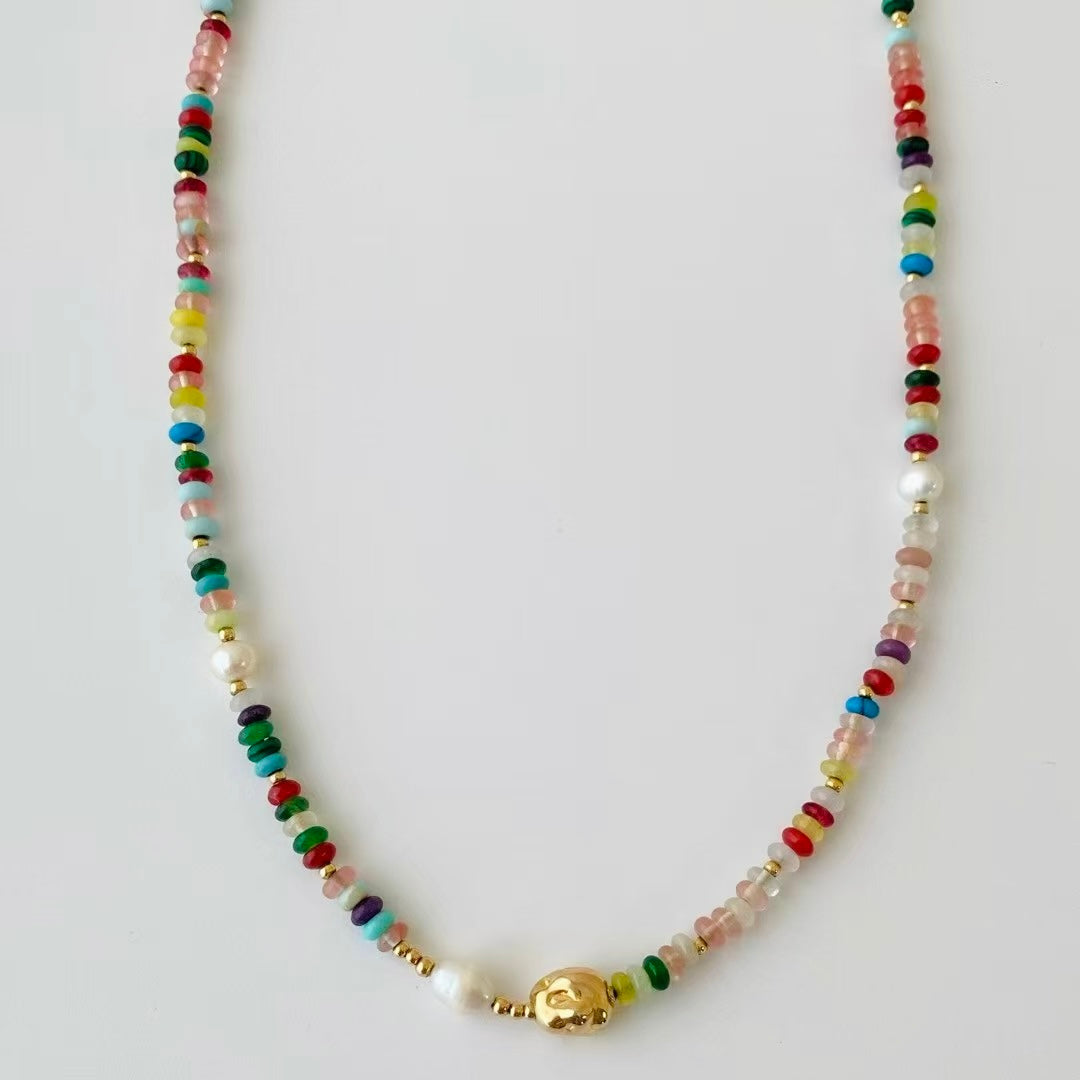
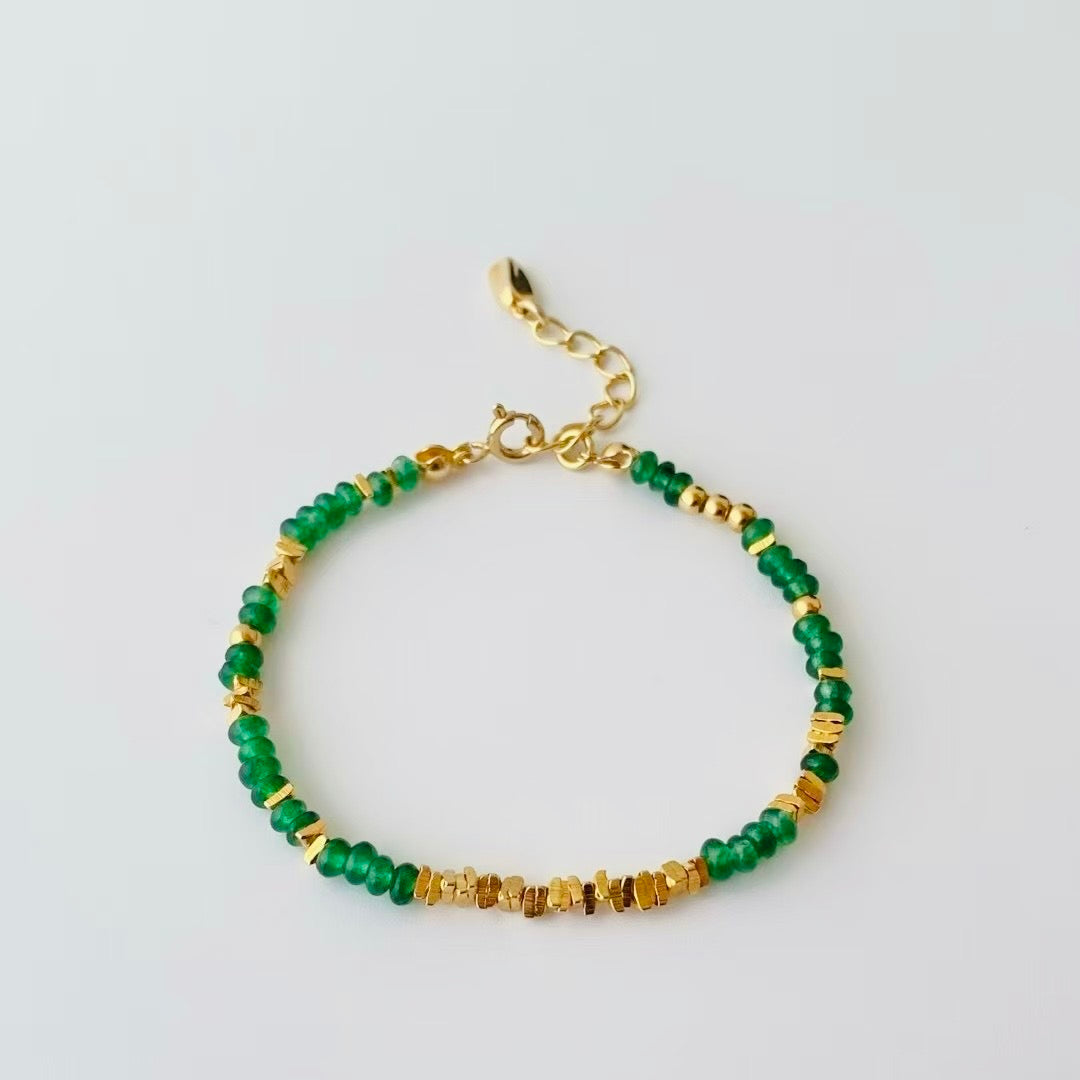
Details for Pearly Bracelet Wearing and Maintenance at Home
Wearing pearl bracelets around the home feels effortless, but many small, routine household tasks create hidden risks that slowly wear down their delicate nacre, even when you think you are being careful. Unlike controlled public spaces, home environments are filled with splashes, steam, cleaning agents, and rough surfaces that most people never associate with pearl damage until their once bright luster starts to fade.
Wearing Rules for Household Chores and Daily Routines
The simplest habit to build is taking a quick second to slip your pearl bracelet off before you start any task that involves water, cleaning supplies, or physical movement. Before you wash dishes, wipe down countertops, scrub the bathroom, or do laundry, set it aside in a safe spot far from splashing water and chemical sprays. Even mild dish soap, all-purpose cleaner, and laundry detergent can seep into the tiny pores on the pearl’s surface, leaving behind faint residue that erodes the nacre layer over repeated exposure.
Keep it off your wrist while you cook, especially when working near steaming pots, hot oil splatters, or open flames. Kitchen grease and water vapor drift through the air and settle on the pearls without you noticing, gradually working their way into the inner layers to dull the natural glow. It is also best to remove it before you take a bath, shower, or soak in a hot tub, since prolonged contact with warm water, body wash, and bath salts will weaken the connecting cord and leave the pearls vulnerable to early discoloration.
Gentle At-Home Cleaning That Won’t Harm Nacre
Stick to dry or barely damp cleaning methods after wearing your pearls at home, and avoid any harsh shortcuts that promise a brighter shine in seconds. After a long day of moving around the house, wipe each pearl slowly with a soft, lint-free cloth to pick up skin oils, cooking fumes, and light dust that has settled on the surface. If you notice a thicker spot of grease or sticky residue, dampen the corner of the cloth with a single drop of clean, room temperature water, wring it out completely until no moisture can squeeze out, then gently dab the spot away.
Never reach for common household cleaning supplies like baking soda, vinegar, bleach, or glass cleaner to polish your pearls, even if you use them safely on other surfaces. These acidic or abrasive substances will scratch and eat away at the soft outer layer, leaving permanent hazy marks that cannot be buffed out. Skip ultrasonic cleaners, steam cleaners, and even rough paper towels, all of which create micro-scratches that ruin the smooth, iridescent surface that makes pearl jewelry stand out.
Low-Impact Home Storage Habits for Long-Term Care
The place you set your pearl bracelet when you are not wearing it at home matters far more than most people realize. Do not toss it into a shared jewelry tray where it will rub against metal rings, sharp necklace chains, and harder gemstones every time you reach for a different piece. These small, repeated scrapes leave fine, permanent scratches that catch light unevenly and make the pearls look worn much earlier than they should.
Avoid locking it away in a completely airtight, sealed container for months on end, such as a vacuum-sealed bag or a dark safe with no air flow. Pearls need a small amount of natural moisture in the air to stay in good condition, and overly dry environments will slowly draw out their internal water content, leading to faint cracks and faded color over time. Keep it in a soft, lined pouch or a small fabric-lined box, placed in a spot away from direct sunlight that streams through windows, far from radiators, space heaters, and the hot, dry air blowing from indoor heating or cooling vents. Every few weeks, take it out, give it a quick light wipe with your soft cloth, and let it sit out in gentle, indirect light for a short while before putting it back, to keep the natural nacre fresh and subtly glowing.